


 Cart
Cart
 sales@molnova.com



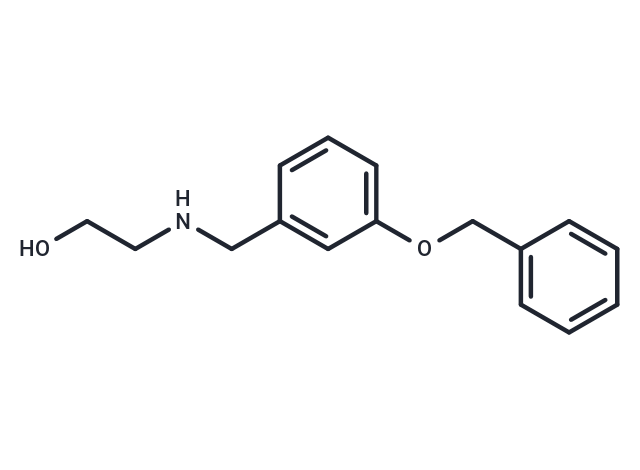
YTK-105
CAS No. 774192-20-0
YTK-105( —— )
Catalog No. M37597 CAS No. 774192-20-0
YTK-105 is a ligand targeting autophagy that binds to p62.
Purity : >98% (HPLC)
 COA
Datasheet
HNMR
HPLC
MSDS
Handing Instructions
COA
Datasheet
HNMR
HPLC
MSDS
Handing Instructions
| Size | Price / USD | Stock | Quantity |
| 5MG | 61 | In Stock |


|
| 10MG | 93 | In Stock |
|
| 25MG | 188 | In Stock |
|
| 50MG | 310 | In Stock |
|
| 100MG | 496 | In Stock |
|
| 200MG | 706 | In Stock |
|
| 500MG | Get Quote | In Stock |
|
| 1G | Get Quote | In Stock |
|
Biological Information
-
Product NameYTK-105
-
NoteResearch use only, not for human use.
-
Brief DescriptionYTK-105 is a ligand targeting autophagy that binds to p62.
-
DescriptionYTK-105 is a ligand targeting autophagy that binds to p62.
-
In Vitro——
-
In Vivo——
-
Synonyms——
-
PathwayOthers
-
TargetOther Targets
-
RecptorOthers
-
Research Area——
-
Indication——
Chemical Information
-
CAS Number774192-20-0
-
Formula Weight257.33
-
Molecular FormulaC16H19NO2
-
Purity>98% (HPLC)
-
Solubility——
-
SMILESOCCNCC=1C=CC=C(OCC=2C=CC=CC2)C1
-
Chemical Name——
Shipping & Storage Information
-
Storage(-20℃)
-
ShippingWith Ice Pack
-
Stability≥ 2 years
Reference
molnova catalog



related products
-
Schisphenlignan I
Schisphenlignan I.
-
Cucurbitacin IIa 2-O...
Cucurbitacin IIa 2-O-β-D-glucoside is a glycoside cucurbitacin isolated from the genus Hemsleya (Cucurbitaceae). Extracts of Hemsleya have the potential to be used in research on bronchitis, bacillary dysentery, and tuberculosis.
-
L-Homocysteine thiol...
L-Homocysteine thiolactone hydrochloride is neurotoxic and can induce epilepsy and Alzheimer's disease.
