


 Cart
Cart
 sales@molnova.com



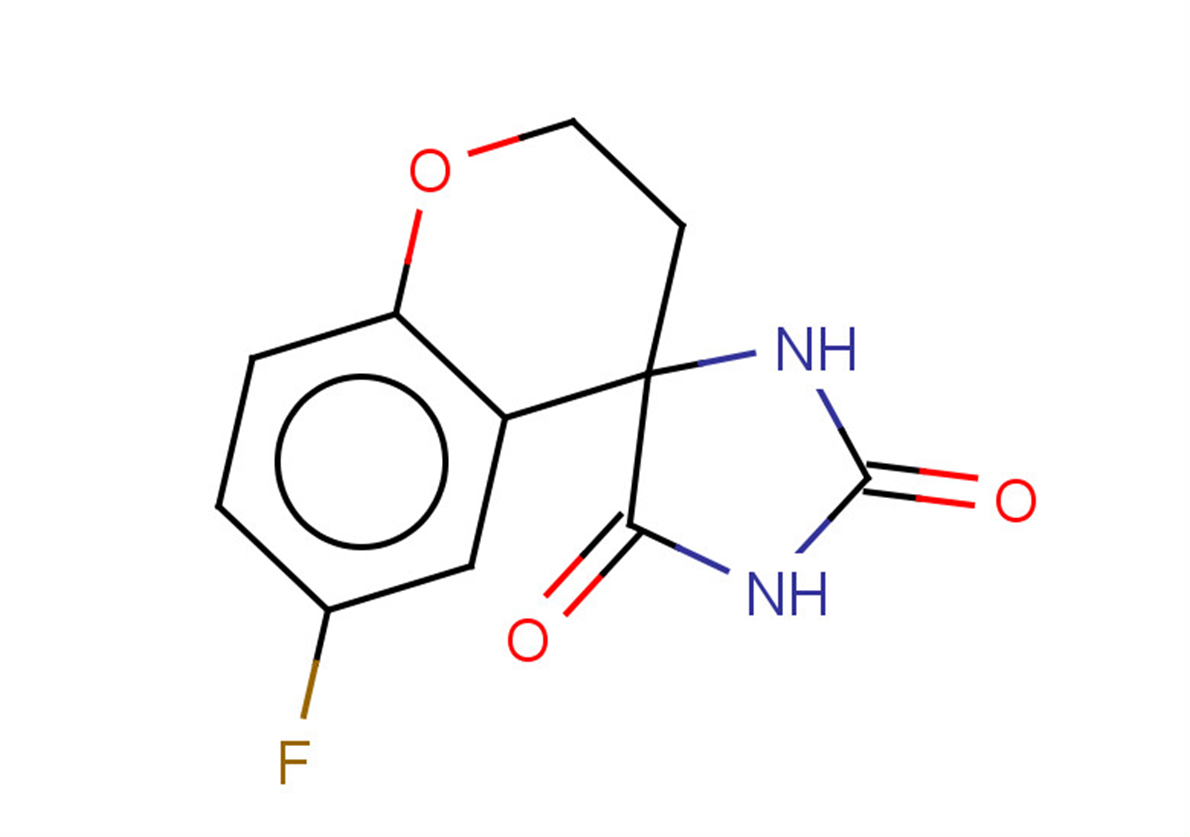
Sorbinil
CAS No. 68367-52-2
Sorbinil( —— )
Catalog No. M24697 CAS No. 68367-52-2
Sorbinil is an Aldose reductase inhibitor. Sorbinil plays a therapeutic role in treating diabetes and diabetic complications decreases AR activity and inhibit the polyol pathway.
Purity : >98% (HPLC)
 COA
Datasheet
HNMR
HPLC
MSDS
Handing Instructions
COA
Datasheet
HNMR
HPLC
MSDS
Handing Instructions
| Size | Price / USD | Stock | Quantity |
| 5MG | 88 | In Stock |


|
| 10MG | 155 | In Stock |
|
| 25MG | 312 | In Stock |
|
| 50MG | 500 | In Stock |
|
| 100MG | 705 | In Stock |
|
| 200MG | Get Quote | In Stock |
|
| 500MG | Get Quote | In Stock |
|
| 1G | Get Quote | In Stock |
|
Biological Information
-
Product NameSorbinil
-
NoteResearch use only, not for human use.
-
Brief DescriptionSorbinil is an Aldose reductase inhibitor. Sorbinil plays a therapeutic role in treating diabetes and diabetic complications decreases AR activity and inhibit the polyol pathway.
-
DescriptionSorbinil is an Aldose reductase inhibitor. Sorbinil plays a therapeutic role in treating diabetes and diabetic complications decreases AR activity and inhibit the polyol pathway.
-
In Vitro——
-
In Vivo——
-
Synonyms——
-
PathwayEndocrinology/Hormones
-
TargetReductase
-
RecptorAldose reductase
-
Research Area——
-
Indication——
Chemical Information
-
CAS Number68367-52-2
-
Formula Weight236.2
-
Molecular FormulaC11H9FN2O3
-
Purity>98% (HPLC)
-
SolubilityDMSO:20mg/mL
-
SMILESO=C(C1(c(cc(cc2)F)c2OCC1)N1)NC1=O
-
Chemical Name——
Shipping & Storage Information
-
Storage(-20℃)
-
ShippingWith Ice Pack
-
Stability≥ 2 years
Reference
1.Huang Q, et al. Sorbinil, an Aldose Reductase Inhibitor, in Fighting Against Diabetic Complications. Med Chem. 2019;15(1):3-7.
molnova catalog



related products
-
6-Methoxytricin
6-Methoxytricin, a flavonoid isolated from Centella asiatica, is an inhibitor of aldose reductase (AR) and advanced glycosylation end-products (AGE), and inhibits T-cell proliferation and activation in biologic cells.
-
DL-Glyceraldehyde
Glyceraldehyde is produced from the action of the enzyme glyceraldehyde dehydrogenase which converts glycerol to glyceraldehyde using NADP as a cofactor. When present at sufficiently high levels glyceraldehyde can be a cytotoxin and a mutagen. A cytotoxin is a compound that kills cells.
-
Ganoderic acid C2
Ganoderic acid C2 has anti-inflammatory,and anti-tumor-promoting activities. Ganoderic acid C2 can inhibit histamine release, it also has inhibitory effects on the induction of Epstein-Barr Virus early antigen.
