


 Cart
Cart
 sales@molnova.com



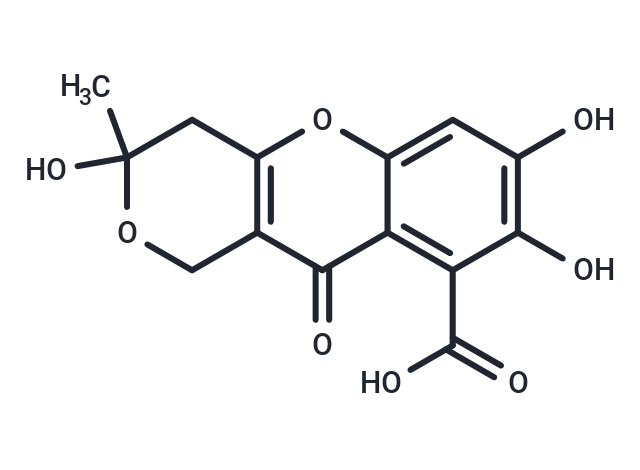
Fulvic Acid
CAS No. 479-66-3
Fulvic Acid( —— )
Catalog No. M35008 CAS No. 479-66-3
Fulvic Acid is a natural product of humus produced by microorganisms in soil, sediment or aquatic environments.
Purity : >98% (HPLC)
 COA
Datasheet
HNMR
HPLC
MSDS
Handing Instructions
COA
Datasheet
HNMR
HPLC
MSDS
Handing Instructions
| Size | Price / USD | Stock | Quantity |
| 1 mL x 10 mM in DMSO | 163 | In Stock |


|
| 5MG | 125 | In Stock |
|
| 10MG | 183 | In Stock |
|
| 25MG | 307 | In Stock |
|
| 50MG | 445 | In Stock |
|
| 100MG | 638 | In Stock |
|
| 200MG | Get Quote | In Stock |
|
| 500MG | 1376 | In Stock |
|
| 1G | 1851 | In Stock |
|
Biological Information
-
Product NameFulvic Acid
-
NoteResearch use only, not for human use.
-
Brief DescriptionFulvic Acid is a natural product of humus produced by microorganisms in soil, sediment or aquatic environments.
-
DescriptionFulvic Acid is a natural product, which comes from humic substances produced by microorganisms in soil. Fulvic Acid can modulate the immune system, influence the oxidative state of cells, and improve gastrointestinal function. Fulvic Acid has the potential for researching chronic inflammatory diseases, including diabetes.
-
In Vitro——
-
In Vivo——
-
Synonyms——
-
PathwayOthers
-
TargetAntioxidant
-
RecptorAntioxidant | PDE
-
Research Area——
-
Indication——
Chemical Information
-
CAS Number479-66-3
-
Formula Weight308.24
-
Molecular FormulaC14H12O8
-
Purity>98% (HPLC)
-
Solubility——
-
SMILESCC1(O)Cc2oc3cc(O)c(O)c(C(O)=O)c3c(=O)c2CO1
-
Chemical Name——
Shipping & Storage Information
-
Storage(-20℃)
-
ShippingWith Ice Pack
-
Stability≥ 2 years
Reference
1. Winkler J, et al. Therapeutic Potential of Fulvic Acid in Chronic Inflammatory Diseases and Diabetes. J Diabetes Res. 2018;2018:5391014. Published 2018 Sep 10. ?
molnova catalog



related products
-
Lecanoric acid
Lecanoric acid is a compound derived from Lecanoric acid, which has antioxidant activity and promotes the growth of probiotics.
-
Kukoamine B mesylate
Kukoamine B mesylate is a novel cationic alkaloid derived from dermatophytes with antioxidant activity, inhibits LPS internalization in Kupffer and RAW 264.7 cells, and can be used to study acute inflammation and diabetes.
-
Girinimbine
Girinimbine (Girinimbin) is a carbazole alkaloid isolated from the plants M. koenigii, M. koenigii, and Murraya koenigii.
