


 Cart
Cart
 sales@molnova.com



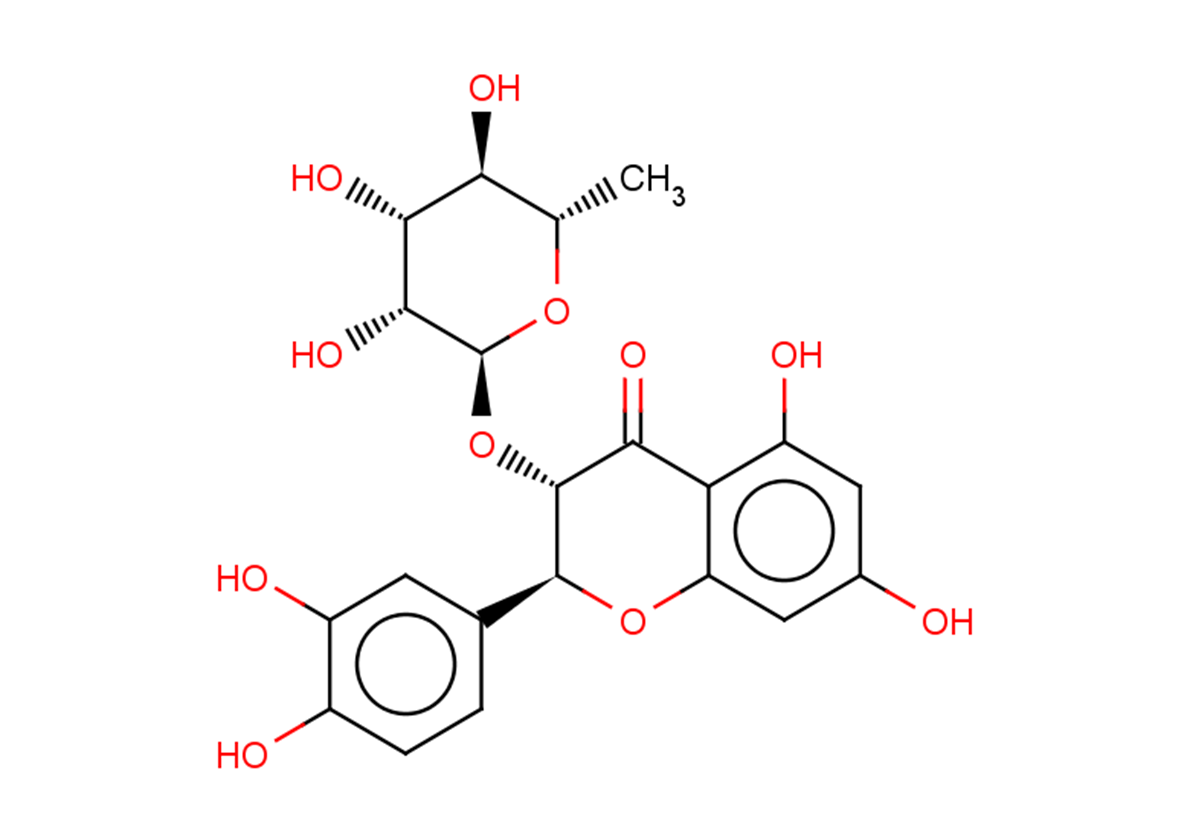
Neoastilbin
CAS No. 54081-47-9
Neoastilbin( —— )
Catalog No. M24527 CAS No. 54081-47-9
Neoastilbin may have antioxidant and anti-inflammatory activities, it shows potent inhibition of lens aldose reductase.
Purity : >98% (HPLC)
 COA
Datasheet
HNMR
HPLC
MSDS
Handing Instructions
COA
Datasheet
HNMR
HPLC
MSDS
Handing Instructions
| Size | Price / USD | Stock | Quantity |
| 1 mL x 10 mM in DMSO | 122 | In Stock |


|
| 5MG | 101 | In Stock |
|
| 10MG | 163 | In Stock |
|
| 100MG | Get Quote | In Stock |
|
| 200MG | Get Quote | In Stock |
|
| 500MG | Get Quote | In Stock |
|
| 1G | Get Quote | In Stock |
|
Biological Information
-
Product NameNeoastilbin
-
NoteResearch use only, not for human use.
-
Brief DescriptionNeoastilbin may have antioxidant and anti-inflammatory activities, it shows potent inhibition of lens aldose reductase.
-
DescriptionNeoastilbin may have antioxidant and anti-inflammatory activities, it shows potent inhibition of lens aldose reductase.
-
In Vitro——
-
In Vivo——
-
Synonyms——
-
PathwayOthers
-
TargetOther Targets
-
Recptorothers
-
Research Area——
-
Indication——
Chemical Information
-
CAS Number54081-47-9
-
Formula Weight450.39
-
Molecular FormulaC21H22O11
-
Purity>98% (HPLC)
-
Solubility——
-
SMILESC[C@@H]([C@@H]([C@H]([C@H]1O)O)O)O[C@H]1O[C@@H]([C@H](c(cc1)cc(O)c1O)Oc1c2c(O)cc(O)c1)C2=O
-
Chemical Name——
Shipping & Storage Information
-
Storage(-20℃)
-
ShippingWith Ice Pack
-
Stability≥ 2 years
Reference
1.Antioxidant and Anti-Inflammatory Activities of Phenolic-Enriched Extracts of Smilax glabra.Evid Based Complement Alternat Med. 2014;2014:910438.
molnova catalog



related products
-
Pseudo Vardenafil
Pseudo Vardenafil
-
RK-16
RK-16
-
Phenoxyethanol
Phenoxyethanol is germicidal. It often used together with quaternary ammonium compounds.
