


 Cart
Cart
 sales@molnova.com



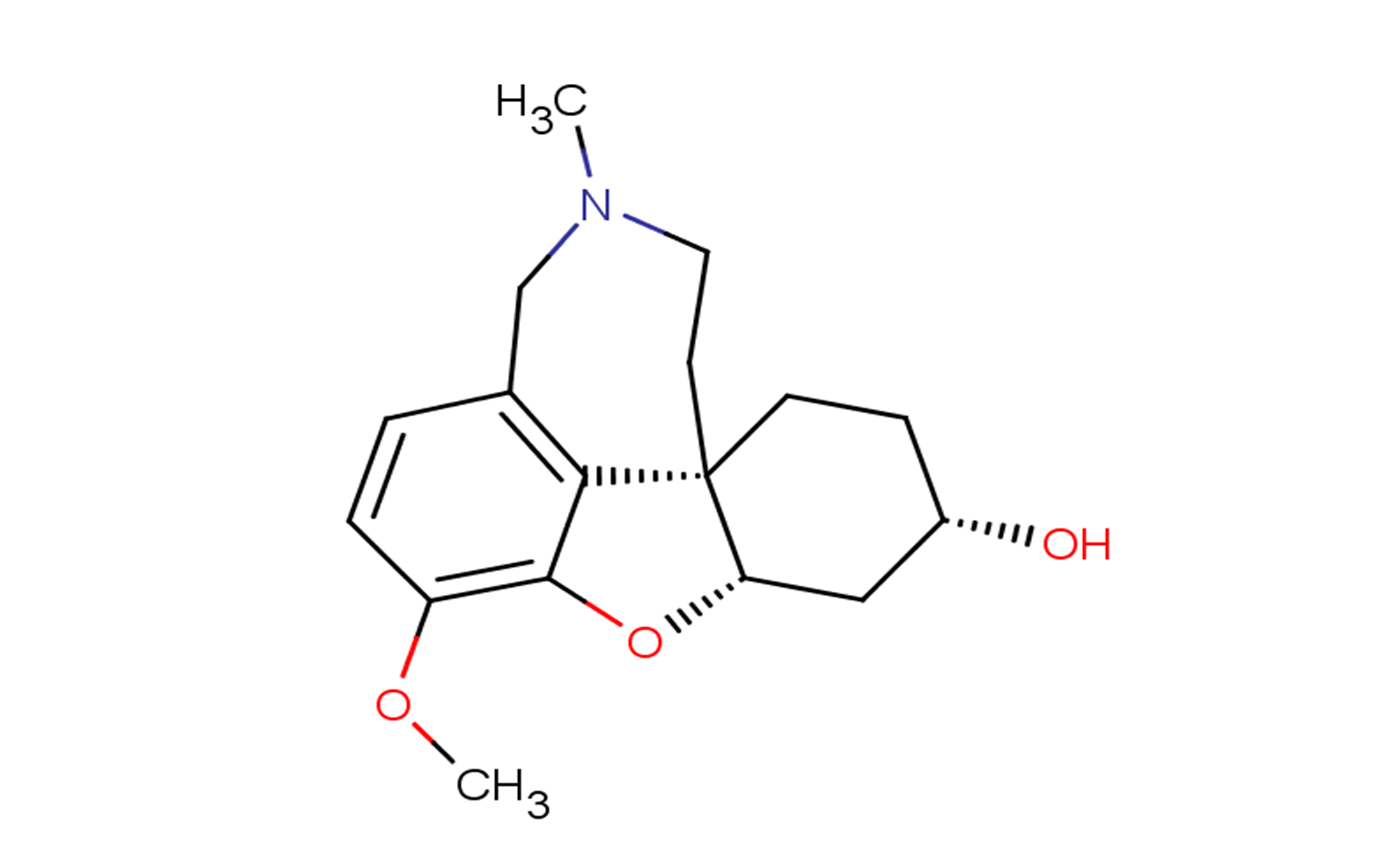
Lycoramine
CAS No. 21133-52-8
Lycoramine( —— )
Catalog No. M23963 CAS No. 21133-52-8
Lycoramine is a natural product isolated from Lycoris radiate. Lycoramine is a potent acetylcholinesterase (AChE) inhibitor
Purity : >98% (HPLC)
 COA
Datasheet
HNMR
HPLC
MSDS
Handing Instructions
COA
Datasheet
HNMR
HPLC
MSDS
Handing Instructions
| Size | Price / USD | Stock | Quantity |
| 1 mL x 10 mM in DMSO | 92 | In Stock |


|
| 5MG | 93 | In Stock |
|
| 10MG | 155 | In Stock |
|
| 25MG | 262 | In Stock |
|
| 50MG | 369 | In Stock |
|
| 100MG | 556 | In Stock |
|
| 200MG | 789 | In Stock |
|
| 500MG | Get Quote | In Stock |
|
| 1G | Get Quote | In Stock |
|
Biological Information
-
Product NameLycoramine
-
NoteResearch use only, not for human use.
-
Brief DescriptionLycoramine is a natural product isolated from Lycoris radiate. Lycoramine is a potent acetylcholinesterase (AChE) inhibitor
-
DescriptionLycoramine is a natural product isolated from Lycoris radiate. Lycoramine is a potent acetylcholinesterase (AChE) inhibitor.
-
In Vitro——
-
In Vivo——
-
Synonyms——
-
PathwayEndocrinology/Hormones
-
TargetAChR
-
RecptorAChE
-
Research Area——
-
Indication——
Chemical Information
-
CAS Number21133-52-8
-
Formula Weight289.4
-
Molecular FormulaC17H23NO3
-
Purity>98% (HPLC)
-
SolubilityDMSO:10 mM
-
SMILESCN1CC[C@@]23CC[C@@H](C[C@@H]2OC4=C(C=CC(=C34)C1)OC)O
-
Chemical Name——
Shipping & Storage Information
-
Storage(-20℃)
-
ShippingWith Ice Pack
-
Stability≥ 2 years
Reference
1.Cholinesterase inhibition by galanthamine and lycoramine.Biochemical Pharmacology, 1960, 3(2):147-148.
molnova catalog



related products
-
JHU 37152
JHU 37152 is a Designer Receptors Exclusively Activated by Designer Drug (DREADD) agonist with Ki of 1.8 nM and 8.7 nM for human muscarinic acetylcholine M3 receptors (hM3Dq) and hM4Di in vitro, respectively.?
-
Ipratropium Bromide
Ipratropium Bromide is an antagonist of M3 type muscarinic acetylcholine receptors, used for the treatment of chronic obstructive pulmonary disease (COPD).
-
Diphenidol hydrochlo...
Diphenidol hydrochloride is a muscarinic antagonist employed as an antiemetic and as an antivertigo agent.
