


 Cart
Cart
 sales@molnova.com



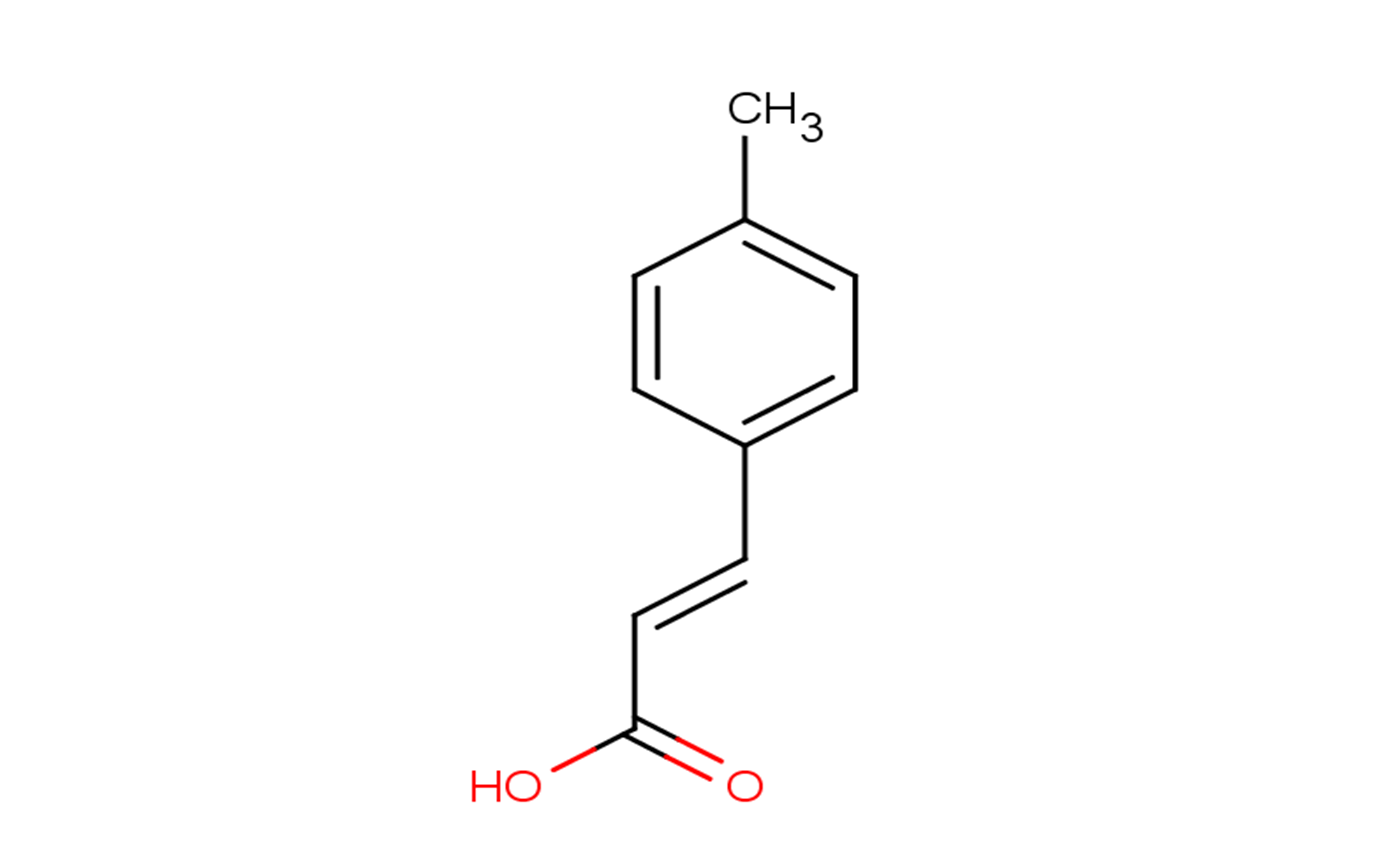
4-Methylcinnamic acid
CAS No. 1866-39-3
4-Methylcinnamic acid( —— )
Catalog No. M23850 CAS No. 1866-39-3
4-Methylcinnamic acid, a Cinnamic acid analog, can be used as a intervention catalyst for overcoming antifungal tolerance. 4-Methylcinnamic acid can improve the potency of cell wall-disrupting agents.
Purity : >98% (HPLC)
 COA
Datasheet
HNMR
HPLC
MSDS
Handing Instructions
COA
Datasheet
HNMR
HPLC
MSDS
Handing Instructions
| Size | Price / USD | Stock | Quantity |
| 1 mL x 10 mM in DMSO | 28 | In Stock |


|
| 100MG | Get Quote | In Stock |
|
| 200MG | Get Quote | In Stock |
|
| 500MG | Get Quote | In Stock |
|
| 1G | 28 | In Stock |
|
Biological Information
-
Product Name4-Methylcinnamic acid
-
NoteResearch use only, not for human use.
-
Brief Description4-Methylcinnamic acid, a Cinnamic acid analog, can be used as a intervention catalyst for overcoming antifungal tolerance. 4-Methylcinnamic acid can improve the potency of cell wall-disrupting agents.
-
Description4-Methylcinnamic acid, a Cinnamic acid analog, can be used as a intervention catalyst for overcoming antifungal tolerance. 4-Methylcinnamic acid can improve the potency of cell wall-disrupting agents.
-
In Vitro——
-
In Vivo——
-
Synonyms——
-
PathwayMicrobiology/Virology
-
TargetAntifungal
-
RecptorANTIFungal
-
Research Area——
-
Indication——
Chemical Information
-
CAS Number1866-39-3
-
Formula Weight162.19
-
Molecular FormulaC10H10O2
-
Purity>98% (HPLC)
-
SolubilityDMSO:10 mM
-
SMILESCC1=CC=C(C=C1)/C=C/C(=O)O
-
Chemical Name——
Shipping & Storage Information
-
Storage(-20℃)
-
ShippingWith Ice Pack
-
Stability≥ 2 years
Reference
molnova catalog



related products
-
573'4'-Tetramethoxyf...
573'4'-Tetramethoxyflavone one of the major polymethoxyflavones (PMFs) isolated from M. exotica possesses various bioactivities including anti-fungal anti-malarial anti-mycobacterial and anti-inflammatory activities. 573'4'-Tetramethoxyflavone exhibits chondroprotective activity by targeting β-catenin signaling.
-
Chlorobutanol hemihy...
Chlorobutanol hemihydrate (Chlorbutol hemihydrate) is an orally toxic preservative with antimicrobial activity that inhibits Gram-positive and Gram-negative bacteria and fungi, inhibits the aggregation and release of human platelets in vitro, and is commonly used in cosmetics.
-
Thiophanate-Methyl
Thiophanate-Methyl (TM) a methyl benzimidazole carbamate (MBC) fungicide?
