


 Cart
Cart
 sales@molnova.com



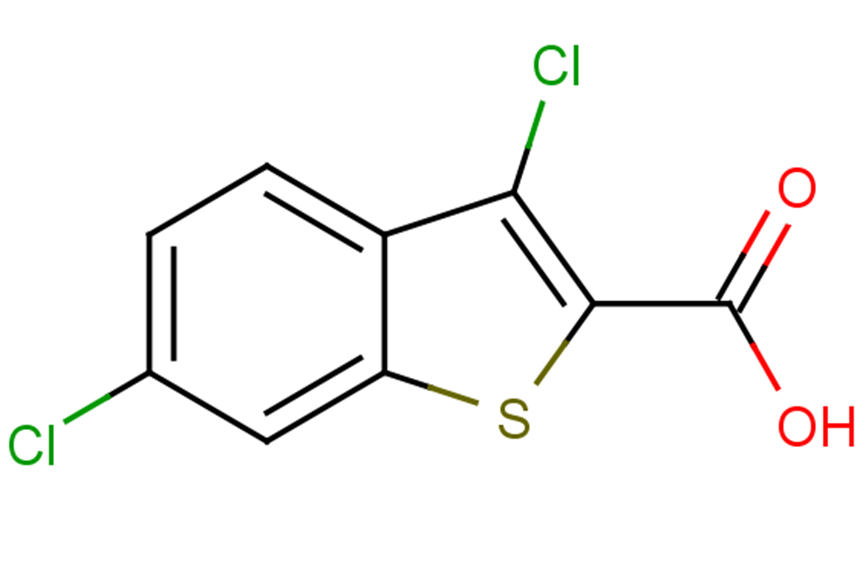
BT2
CAS No. 34576-94-8
BT2( —— )
Catalog No. M22491 CAS No. 34576-94-8
BT2 is a BCKDC kinase (BDK) inhibitor with an IC50 of 3.19 μM. BT2 (compound 4) is also a potent and selective Mcl-1 inhibitor with a Ki value of 59 μM.
Purity : >98% (HPLC)
 COA
Datasheet
HNMR
HPLC
MSDS
Handing Instructions
COA
Datasheet
HNMR
HPLC
MSDS
Handing Instructions
| Size | Price / USD | Stock | Quantity |
| 1 mL x 10 mM in DMSO | 28 | In Stock |


|
| 10MG | 37 | In Stock |
|
| 25MG | 55 | In Stock |
|
| 50MG | 67 | In Stock |
|
| 100MG | 98 | In Stock |
|
| 200MG | Get Quote | In Stock |
|
| 500MG | 238 | In Stock |
|
| 1G | Get Quote | In Stock |
|
Biological Information
-
Product NameBT2
-
NoteResearch use only, not for human use.
-
Brief DescriptionBT2 is a BCKDC kinase (BDK) inhibitor with an IC50 of 3.19 μM. BT2 (compound 4) is also a potent and selective Mcl-1 inhibitor with a Ki value of 59 μM.
-
DescriptionBT2 is a BCKDC kinase (BDK) inhibitor with an IC50 of 3.19 μM. BT2 (compound 4) is also a potent and selective Mcl-1 inhibitor with a Ki value of 59 μM. BT2 binding to BDK triggers helix movements in the N-terminal domain, resulting in the dissociation of BDK from the branched-chain α-ketoacid dehydrogenase complex (BCKDC).BT2 treatment reduces the protein levels of BDK in kidneys and heart[1]. The -fold activation of BCKDC activity in the above tissues correlates with decreased phosphorylation in heart, muscle, and kidney after the long term BT2 treatment. BT2 (20 mg/kg/day; intraperitoneal injection; daily; for 7 days; C57BL/6J male mice) treatment robustly enhances BCKDC activity in the heart (12.3-fold) compared with the vehicle-treated animals. Less activation is obtained in muscle and kidney at 3.6- and 3.8-fold, respectively.
-
In Vitro——
-
In VivoBT2 (20 mg/kg/day; intraperitoneal injection; daily; for 7 days; C57BL/6J male mice) treatment robustly enhances BCKDC activity in the heart (12.3-fold) compared with the vehicle-treated animals. Less activation is obtained in muscle and kidney at 3.6- and 3.8-fold, respectively. The -fold activation of BCKDC activity in the above tissues correlates with decreased phosphorylation in heart, muscle, and kidney after the long term BT2 treatment. BT2 treatment reduces the protein levels of BDK in kidneys and heart. Animal Model:C57BL/6J male mice (8-10-week-old) Dosage:20 mg/kg/day Administration:Intraperitoneal injection; daily; for 1 week Result:BCKDC activity was robustly (12.3-fold) enhanced in the heart compared with the vehicle-treated animals. Less activation was obtained in muscle and kidney at 3.6- and 3.8-fold, respectively. The protein levels of BDK in kidneys and heart were reduced to averages of 39 and 24%, respectively.
-
Synonyms——
-
PathwayAngiogenesis
-
TargetBcl-2
-
RecptorBDK|Mcl-1
-
Research Area——
-
Indication——
Chemical Information
-
CAS Number34576-94-8
-
Formula Weight247.1
-
Molecular FormulaC9H4Cl2O2S
-
Purity>98% (HPLC)
-
SolubilityDMSO:83.33 mg/mL (337.23 mM; Need ultrasonic)
-
SMILESOC(=O)c1sc2cc(Cl)ccc2c1Cl
-
Chemical Name——
Shipping & Storage Information
-
Storage(-20℃)
-
ShippingWith Ice Pack
-
Stability≥ 2 years
Reference
1. Tso SC, et al. Benzothiophene carboxylate derivatives as novel allosteric inhibitors of branched-chain α-ketoacid dehydrogenase kinase. J Biol Chem. 2014 Jul 25;289(30):20583-93.
molnova catalog



related products
-
BDA-366
A potent, selective Bcl2 BH4 domain antagonist with Ki of 3.3 nM; shows no affinity for other Bcl2 family members, including Bcl-XL, Mcl-1, or Bfl-1/A1.
-
trans-Ferulic acid
Trans-Ferulic acid causes the phosphorylation of β-catenin resulting in proteasomal degradation of β-catenin and increases the expression of pro-apoptotic factor Bax and decreases the expression of pro-survival factor survivin.trans-Ferulic acid exert both anti-proliferation and anti-migration effects in the human lung cancer cell line H1299.
-
HA14-1
HA14-1 a small molecule, nonpeptidic Bcl-2 antagonist that binds Bcl-2 surface pocket with binding IC50 of 9 uM.
