


 Cart
Cart
 sales@molnova.com



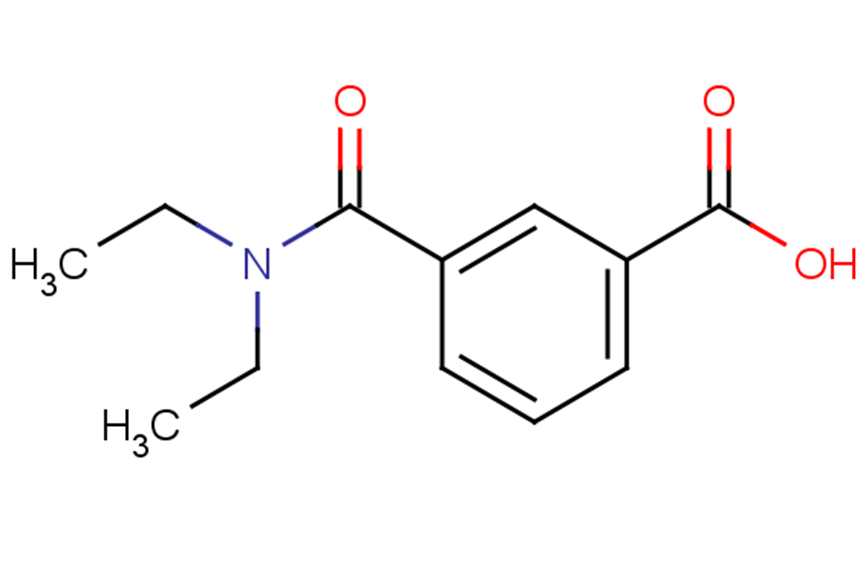
DCBA
CAS No. 72236-23-8
DCBA( —— )
Catalog No. M22273 CAS No. 72236-23-8
DCBA is a metabolite of insect repellent N-N-diethyl-meta-toluamide (DEET).
Purity : >98% (HPLC)
 COA
Datasheet
HNMR
HPLC
MSDS
Handing Instructions
COA
Datasheet
HNMR
HPLC
MSDS
Handing Instructions
| Size | Price / USD | Stock | Quantity |
| 1 mL x 10 mM in DMSO | 28 | In Stock |


|
| 25MG | 35 | In Stock |
|
| 50MG | 51 | In Stock |
|
| 100MG | Get Quote | In Stock |
|
| 200MG | Get Quote | In Stock |
|
| 500MG | Get Quote | In Stock |
|
| 1G | Get Quote | In Stock |
|
Biological Information
-
Product NameDCBA
-
NoteResearch use only, not for human use.
-
Brief DescriptionDCBA is a metabolite of insect repellent N-N-diethyl-meta-toluamide (DEET).
-
DescriptionDCBA is a metabolite of insect repellent N-N-diethyl-meta-toluamide (DEET). The concentration of DCBA in urine can assess exposure to DEET.
-
In Vitro——
-
In Vivo——
-
Synonyms——
-
PathwayProteasome/Ubiquitin
-
TargetEndogenous Metabolite
-
RecptorDrug Metabolite
-
Research Area——
-
Indication——
Chemical Information
-
CAS Number72236-23-8
-
Formula Weight221.25
-
Molecular FormulaC12H15NO3
-
Purity>98% (HPLC)
-
SolubilityIn Vitro:?DMSO : 100 mg/mL (451.98 mM)
-
SMILESCCN(CC)C(=O)C1=CC(=CC=C1)C(=O)O
-
Chemical Name——
Shipping & Storage Information
-
Storage(-20℃)
-
ShippingWith Ice Pack
-
Stability≥ 2 years
Reference



-
Indole-3-acetamide
1H-Indole-3-acetamide also known as auxin amide or 2-(3-indolyl)acetamide belongs to the class of organic compounds known as 3-alkylindoles. Within the cell 1H-indole-3-acetamide is primarily located in the cytoplasm. 1H-Indole-3-acetamide can be biosynthesized from acetamide.
-
17-DIMETHYLXANTHINE
Paraxanthine is a metabolite of caffeine (sc-202514) which functions as an adenosine receptor ligand and a PARP-1 inhibitor in pulmonary epithelial cells.
-
1-Methylhistamine di...
1-Methylhistamine dihydrochloride is a major metabolite of histamine by histamine N-methyltransferase in the pathway of histidine metabolism.?It has been used as a biomarker of histaminergic system activity in the brains of Alzheimer's disease patients as well as those with hypersomnia and other neurological conditions.
