


 Cart
Cart
 sales@molnova.com



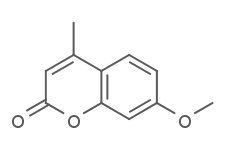
7-Methoxy-4-methylcoumarin
CAS No. 2555-28-4
7-Methoxy-4-methylcoumarin( —— )
Catalog No. M18317 CAS No. 2555-28-4
7-Methoxy-4-methylcoumarin is an inhibitor of HSD17B4, hydroxysteroid (17-beta) dehydrogenase 4.
Purity : >98% (HPLC)
 COA
Datasheet
HNMR
HPLC
MSDS
Handing Instructions
COA
Datasheet
HNMR
HPLC
MSDS
Handing Instructions
| Size | Price / USD | Stock | Quantity |
| 1 mL x 10 mM in DMSO | 28 | In Stock |


|
| 100MG | Get Quote | In Stock |
|
| 200MG | Get Quote | In Stock |
|
| 500MG | 28 | In Stock |
|
| 1G | Get Quote | In Stock |
|
Biological Information
-
Product Name7-Methoxy-4-methylcoumarin
-
NoteResearch use only, not for human use.
-
Brief Description7-Methoxy-4-methylcoumarin is an inhibitor of HSD17B4, hydroxysteroid (17-beta) dehydrogenase 4.
-
Description7-Methoxy-4-methylcoumarin is an inhibitor of HSD17B4, hydroxysteroid (17-beta) dehydrogenase 4.
-
In Vitro——
-
In Vivo——
-
Synonyms——
-
PathwayOthers
-
TargetOther Targets
-
RecptorOthers
-
Research Area——
-
Indication——
Chemical Information
-
CAS Number2555-28-4
-
Formula Weight190.2
-
Molecular FormulaC11H10O3
-
Purity>98% (HPLC)
-
SolubilityIn Vitro:?DMSO : 25 mg/mL (131.44 mM)
-
SMILESCc1cc(=O)oc2c1ccc(c2)OC
-
Chemical Name——
Shipping & Storage Information
-
Storage(-20℃)
-
ShippingWith Ice Pack
-
Stability≥ 2 years
Reference
1. Riveiro ME, et al. Structural insights into hydroxycoumarin-induced apoptosis in U-937 cells. Bioorg Med Chem. 2008 Mar 1;16(5):2665-75.
molnova catalog



related products
-
Bromoxynil octanoate
Bromoxynil octanoate is an essential herbicide for plant growth and production that induces oxidative stress, inflammation, and apoptosis in testicular tissues by modulating the NF-λB pathway.
-
Examorelin
Examorelin is an agonist of growth hormone-releasing factor (GHRF), and for the treatment of cardiac diseases.hexarelin treatment protected cardiac function in the chronic phase as evidenced by higher ejection fraction and fractional shortening, as well as lower lung weight/body weight and lung weight/tibial length ratios, compared with vehicle treatment.?
-
Salvianolic Acid C
Salvianolic Acid C is extracted from the root of Salvia miltiorrhiza, a perennial plant in the genus Salvia.
