


 Cart
Cart
 sales@molnova.com



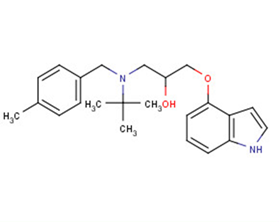
SR-18292
CAS No. 2095432-55-4
SR-18292( SR-18292 | SR 18292 | SR18292 )
Catalog No. M17428 CAS No. 2095432-55-4
SR-18292 is a PPAR gamma coactivator-1α (PGC-1α) inhibitor, which increases PGC-1α acetylation, suppresses gluconeogenic gene expression and reduces glucose production in hepatocytes.
Purity : >98% (HPLC)
 COA
Datasheet
HNMR
HPLC
MSDS
Handing Instructions
COA
Datasheet
HNMR
HPLC
MSDS
Handing Instructions
| Size | Price / USD | Stock | Quantity |
| 2MG | 31 | In Stock |


|
| 5MG | 50 | In Stock |
|
| 10MG | 80 | In Stock |
|
| 25MG | 170 | In Stock |
|
| 50MG | 267 | In Stock |
|
| 100MG | 425 | In Stock |
|
| 500MG | 888 | In Stock |
|
| 1G | Get Quote | In Stock |
|
Biological Information
-
Product NameSR-18292
-
NoteResearch use only, not for human use.
-
Brief DescriptionSR-18292 is a PPAR gamma coactivator-1α (PGC-1α) inhibitor, which increases PGC-1α acetylation, suppresses gluconeogenic gene expression and reduces glucose production in hepatocytes.
-
DescriptionSR-18292 is a PGC-1α inhibitor. SR-18292 reduces blood glucose, strongly increases hepatic insulin sensitivity, and improves glucose homeostasis in dietary and genetic mouse models of T2D.
-
In VitroThe transcriptional coactivator PGC-1α plays a pivotal role in energy homeostasis by co-activating transcription factors that regulate fat and glucose metabolism. SR-18292 increases the interaction of PGC-1α with the acetyl transferase GCN5 and reduces co-activation of nuclear hormone receptor HNF4α by PGC-1α. SR-18292 suppresses HNF4α/PGC-1α gluconeogenic transcriptional function. By increasing the interaction of GCN5 with PGC-1α, SR-18292 increases the acetylation of specific PGC-1α lysine residues that might subsequently decrease its gluconeogenic activity.
-
In VivoSR-18292 reduces fasting blood glucose, increases hepatic insulin sensitivity and improves glucose homeostasis in diabetic mice. The high fat diet (HFD) fed mice, a dietary model of obesity and T2D, are treated with SR-18292 (45mg/kg) via I.P. injection for 3 consecutive days and again on day 4 before measuring fasting blood glucose. Strikingly, mice that are treated with SR-18292 have significantly lower levels of fasting blood glucose concentrations compared to matched vehicle-treated control mice. The induction of gluconeogenic gene expression is a regulatory component of the response to fasting. Importantly, gluconeogenic gene expression, specifically that of Pck1, is inhibited in livers isolated from mice treated with SR-18292.
-
SynonymsSR-18292 | SR 18292 | SR18292
-
PathwayCell Cycle/DNA Damage
-
TargetHDAC
-
RecptorPGC-1α
-
Research AreaMetabolic Disease
-
Indication——
Chemical Information
-
CAS Number2095432-55-4
-
Formula Weight366.51
-
Molecular FormulaC23H30N2O2
-
Purity>98% (HPLC)
-
SolubilityDMSO : ≥ 100 mg/mL; 272.85 mM
-
SMILESCC(C)(C)N(Cc1ccc(C)cc1)CC(O)COc3cccc2nccc23
-
Chemical Name1-((1H-indol-4-yl)oxy)-3-(tert-butyl(4-methylbenzyl)amino)propan-2-ol
Shipping & Storage Information
-
Storage(-20℃)
-
ShippingWith Ice Pack
-
Stability≥ 2 years
Reference
1.Sharabi K,etal.Selective Chemical Inhibition of PGC-1α Gluconeogenic Activity Ameliorates Type 2 Diabetes.Cell. 2017 Mar 23;169(1):148-160.
molnova catalog



related products
-
Liquiritin apioside
Liquiritin Apioside is one of the main active components in Suan-Zao-Ren decoction as a treatment for insomnia.
-
1-Naphthohydroxamic ...
1-Naphthohydroxamic acid (Compound 2) is a potent and selective HDAC8 inhibitor with an IC50 of 14 μM, and it is more selectively for HDAC8 than class I HDAC1 and class II HDAC6 (IC50 >100 μM).
-
4-(1H-Pyrazol-4-yl)-...
Detail unknown.
