


 Cart
Cart
 sales@molnova.com



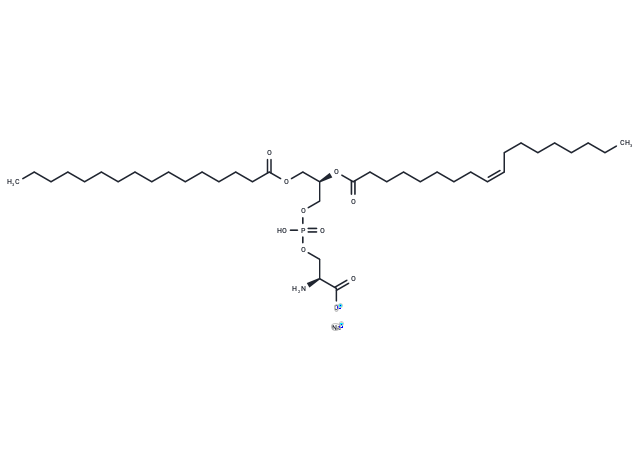
POPS
CAS No. 321863-21-2
POPS( —— )
Catalog No. M37714 CAS No. 321863-21-2
POPS is a useful organic compound for research related to life sciences. The catalog number is TF0061 and the CAS number is 321863-21-2.
Purity : >98% (HPLC)
 COA
Datasheet
HNMR
HPLC
MSDS
Handing Instructions
COA
Datasheet
HNMR
HPLC
MSDS
Handing Instructions
| Size | Price / USD | Stock | Quantity |
| 2MG | 36 | In Stock |


|
| 5MG | 57 | In Stock |
|
| 10MG | 85 | In Stock |
|
| 25MG | 132 | In Stock |
|
| 50MG | 212 | In Stock |
|
| 100MG | Get Quote | In Stock |
|
| 200MG | Get Quote | In Stock |
|
| 500MG | Get Quote | In Stock |
|
| 1G | Get Quote | In Stock |
|
Biological Information
-
Product NamePOPS
-
NoteResearch use only, not for human use.
-
Brief DescriptionPOPS is a useful organic compound for research related to life sciences. The catalog number is TF0061 and the CAS number is 321863-21-2.
-
DescriptionPOPS is a useful organic compound for research related to life sciences. The catalog number is TF0061 and the CAS number is 321863-21-2.
-
In Vitro——
-
In Vivo——
-
Synonyms——
-
PathwayOthers
-
TargetOther Targets
-
RecptorOthers
-
Research Area——
-
Indication——
Chemical Information
-
CAS Number321863-21-2
-
Formula Weight784
-
Molecular FormulaC40H75NO10PNa
-
Purity>98% (HPLC)
-
Solubility——
-
SMILESOC([C@@H](N)COP(OC[C@@H](COC(CCCCCCCCCCCCCCC)=O)OC(CCCCCCC/C=C\CCCCCCCC)=O)([O-])=O)=O.[Na+]
-
Chemical Name——
Shipping & Storage Information
-
Storage(-20℃)
-
ShippingWith Ice Pack
-
Stability≥ 2 years
Reference
molnova catalog



related products
-
Stearamide
Stearamide(Stearic acid amide) is a primary fatty acid amide that is cytotoxic and fish toxic and can be used to increase the properties of nanoparticles.
-
Cassyformine
Cassyformine
-
SF 11
NPY Y2 antagonist.
