


 Cart
Cart
 sales@molnova.com



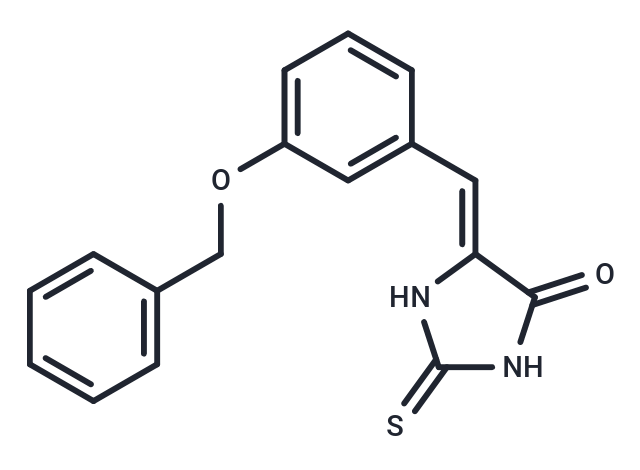
WAY-616296
CAS No. 503065-67-6
WAY-616296( —— )
Catalog No. M37288 CAS No. 503065-67-6
WAY-616296 has potential anticholesterol activity and can be used in the study of diabetes, hypertension, psoriasis and obesity.
Purity : >98% (HPLC)
 COA
Datasheet
HNMR
HPLC
MSDS
Handing Instructions
COA
Datasheet
HNMR
HPLC
MSDS
Handing Instructions
| Size | Price / USD | Stock | Quantity |
| 5MG | 61 | In Stock |


|
| 10MG | 103 | In Stock |
|
| 25MG | 175 | In Stock |
|
| 100MG | Get Quote | In Stock |
|
| 200MG | Get Quote | In Stock |
|
| 500MG | Get Quote | In Stock |
|
| 1G | Get Quote | In Stock |
|
Biological Information
-
Product NameWAY-616296
-
NoteResearch use only, not for human use.
-
Brief DescriptionWAY-616296 has potential anticholesterol activity and can be used in the study of diabetes, hypertension, psoriasis and obesity.
-
DescriptionWAY-616296 is an active molecule.
-
In Vitro——
-
In Vivo——
-
Synonyms——
-
PathwayOthers
-
TargetOther Targets
-
RecptorOthers
-
Research Area——
-
Indication——
Chemical Information
-
CAS Number503065-67-6
-
Formula Weight310.37
-
Molecular FormulaC17H14N2O2S
-
Purity>98% (HPLC)
-
Solubility——
-
SMILESC(=C\1/C(=O)NC(=S)N1)\C2=CC(OCC3=CC=CC=C3)=CC=C2
-
Chemical Name——
Shipping & Storage Information
-
Storage(-20℃)
-
ShippingWith Ice Pack
-
Stability≥ 2 years
Reference
molnova catalog



related products
-
GPR183
GPR183 is a chemotactic receptor known for its role in the maturation of B cells, and the endogenous ligand is the oxysterol 7α,25-dihydroxycholesterol (7α,25-OHC). GPR183 can be used in research on inflammatory bowel disease (IBD).
-
NCGC00092410
NCGC00092410 (ML008) is a glucocerebrosidase (GC) inhibitor with IC50 value of 31 nM. It can be used for the study of Gaucher disease caused by mutation of glucocerebrase gene.
-
XL413 (hydrochloride...
XL413 inhibits the growth of MDA-MB-231T and COLO 205 cells (IC50s = 118 and 140 nM, respectively) and reduces tumor growth in a COLO 205 mouse xenograft model.
