


 Cart
Cart
 sales@molnova.com



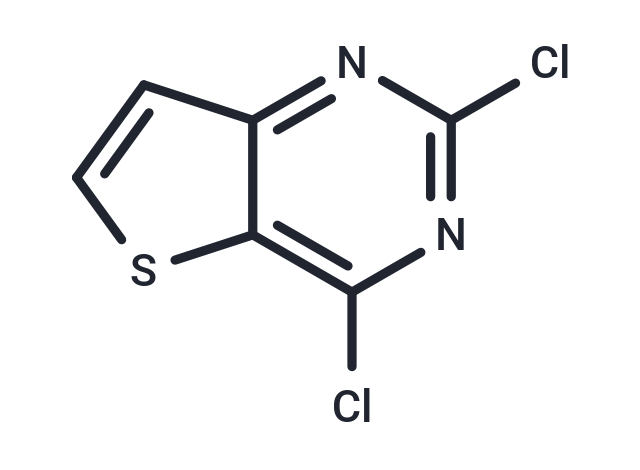
JAK1/2/3 Inhibitor 1
CAS No. 16234-14-3
JAK1/2/3 Inhibitor 1( —— )
Catalog No. M36919 CAS No. 16234-14-3
JAK1/2/3 Inhibitor 1 is a potent protein kinase inhibitor.JAK1/2/3 Inhibitor 1 has antitumor activity that inhibits the growth of a variety of cancer cell lines.
Purity : >98% (HPLC)
 COA
Datasheet
HNMR
HPLC
MSDS
Handing Instructions
COA
Datasheet
HNMR
HPLC
MSDS
Handing Instructions
| Size | Price / USD | Stock | Quantity |
| 5MG | 48 | In Stock |


|
| 10MG | 56 | In Stock |
|
| 25MG | 85 | In Stock |
|
| 50MG | 118 | In Stock |
|
| 100MG | 175 | In Stock |
|
| 200MG | Get Quote | In Stock |
|
| 500MG | 474 | In Stock |
|
| 1G | Get Quote | In Stock |
|
Biological Information
-
Product NameJAK1/2/3 Inhibitor 1
-
NoteResearch use only, not for human use.
-
Brief DescriptionJAK1/2/3 Inhibitor 1 is a potent protein kinase inhibitor.JAK1/2/3 Inhibitor 1 has antitumor activity that inhibits the growth of a variety of cancer cell lines.
-
DescriptionJAK1/2/3 Inhibitor 1 is a potent protein kinase inhibitor.JAK1/2/3 Inhibitor 1 has antitumor activity that inhibits the growth of a variety of cancer cell lines. It inhibits the growth of cancer cells by binding to the cancer cell backbone and inhibiting the production of new proteins.
-
In Vitro——
-
In Vivo——
-
Synonyms——
-
PathwayApoptosis
-
TargetPKA
-
RecptorPKA
-
Research Area——
-
Indication——
Chemical Information
-
CAS Number16234-14-3
-
Formula Weight205.06
-
Molecular FormulaC6H2Cl2N2S
-
Purity>98% (HPLC)
-
Solubility——
-
SMILESClc1nc(Cl)c2sccc2n1
-
Chemical Name——
Shipping & Storage Information
-
Storage(-20℃)
-
ShippingWith Ice Pack
-
Stability≥ 2 years
Reference
molnova catalog



related products
-
H 89 2HCl
H 89 2HCl is a potent PKA inhibitor with Ki of 48 nM, 10-fold selective for PKA than PKG.
-
CREBtide
CREBtide is a synthetic substrate for PKA (Km=3.9 μM), which is based on the phosphorylation sequence in d-CREB (cAMP response element binding protein).
-
Hydroxyfasudil
Hydroxyfasudil is a ROCK inhibitor(IC50s of 0.73 and 0.72 μM for ROCK1 and ROCK2, respectively).
