


 Cart
 sales@molnova.com




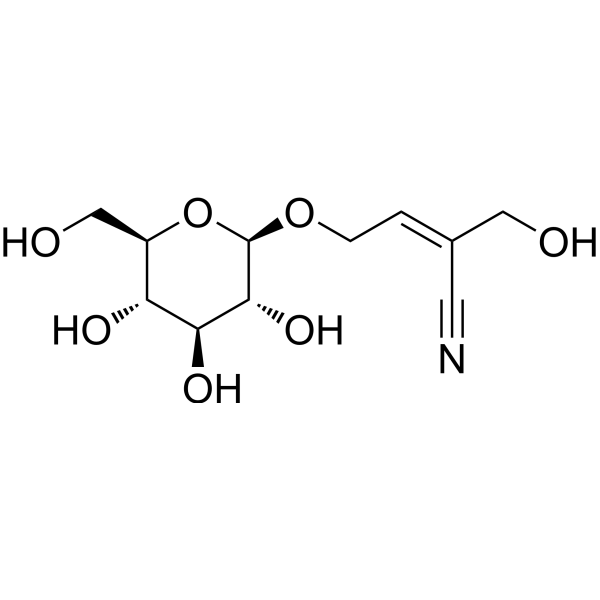
Sarmentosin
CAS No. 71933-54-5
Sarmentosin( —— )
Catalog No. M31057 CAS No. 71933-54-5
Sarmentosin significantly lowers the SGPT level of patients suffering from chronic viral hepatitis, and shows a suppressive effect on cell-mediated immune responses in mice.
Purity : >98% (HPLC)
 COA
Datasheet
HNMR
HPLC
MSDS
Handing Instructions
| Size | Price / USD | Stock | Quantity |
| 5MG | 486 | In Stock |


|
| 50MG | Get Quote | In Stock |
|
| 100MG | Get Quote | In Stock |
|
| 200MG | Get Quote | In Stock |
|
| 500MG | Get Quote | In Stock |
|
| 1G | Get Quote | In Stock |
|
Biological Information
-
Product NameSarmentosin
-
NoteResearch use only, not for human use.
-
Brief DescriptionSarmentosin significantly lowers the SGPT level of patients suffering from chronic viral hepatitis, and shows a suppressive effect on cell-mediated immune responses in mice.
-
DescriptionSarmentosin significantly lowers the SGPT level of patients suffering from chronic viral hepatitis, and shows a suppressive effect on cell-mediated immune responses in mice. It shows a good effect in lowering serum glutamate-pyruvate transaminase.
-
In Vitro——
-
In Vivo——
-
Synonyms——
-
PathwayOthers
-
TargetOther Targets
-
Recptor——
-
Research Area——
-
Indication——
Chemical Information
-
CAS Number71933-54-5
-
Formula Weight275.3
-
Molecular FormulaC11H17NO7
-
Purity>98% (HPLC)
-
Solubility——
-
SMILES——
-
Chemical Name——
Shipping & Storage Information
-
Storage(-20℃)
-
ShippingWith Ice Pack
-
Stability≥ 2 years
Reference
molnova catalog


related products
-
Retene
Retene (NSC-26317) is widely present in recent and ancient sediments, and compounds can be extracted from fir forest soils, humic coals, terrestrial petroleum hydrocarbon source rocks, and deep-sea sediments.Retene is produced by dehydrogenation of pine acids during petrogenesis.
-
Benzenepentacarboxyl...
Benzenepentacarboxylic acid is a novel fluorescent probe to detect and scavenge HO-. Benzenepentacarboxylic acid is utilized to prove and detect the generation of HO- in H2O2/TAED and H2O2/TBCC alkali systems.
-
(S)-(+)-2-Octanol
(S)-(+)-2-Octanol is the S-enantiomer of octan-2-ol. Octan-2-ol is involved in the production of nanomaterials and liquid crystal materials.
