


 Cart
Cart
 sales@molnova.com



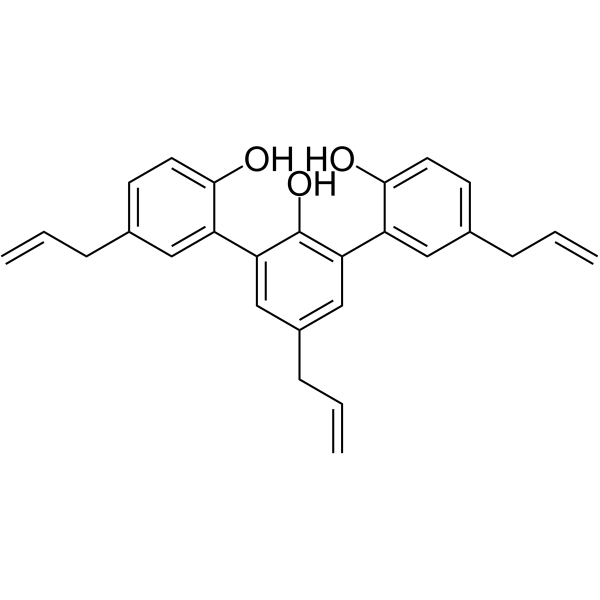
Dunnianol
CAS No. 139726-29-7
Dunnianol( —— )
Catalog No. M29135 CAS No. 139726-29-7
Dunnianol shows anti-inflammatory activity and moderate antibacterial activity.
Purity : >98% (HPLC)
 COA
Datasheet
HNMR
HPLC
MSDS
Handing Instructions
COA
Datasheet
HNMR
HPLC
MSDS
Handing Instructions
| Size | Price / USD | Stock | Quantity |
| 100MG | Get Quote | Get Quote |


|
| 200MG | Get Quote | Get Quote |
|
| 500MG | Get Quote | Get Quote |
|
| 1G | Get Quote | Get Quote |
|
Biological Information
-
Product NameDunnianol
-
NoteResearch use only, not for human use.
-
Brief DescriptionDunnianol shows anti-inflammatory activity and moderate antibacterial activity.
-
DescriptionDunnianol shows anti-inflammatory activity and moderate antibacterial activity.(In Vitro):Dunnianol increases NAG-1(multiple targets related to inflammation) activity and decreases cellular oxidative stress. Dunnianol inhibits Staphylococcus aureus and methicillin-resistant Staphylococcus aureus.
-
In Vitro——
-
In Vivo——
-
Synonyms——
-
PathwayImmunology/Inflammation
-
TargetNOS
-
RecptorNOS
-
Research Area——
-
Indication——
Chemical Information
-
CAS Number139726-29-7
-
Formula Weight398.49
-
Molecular FormulaC27H26O3
-
Purity>98% (HPLC)
-
Solubility——
-
SMILESOc1ccc(CC=C)cc1-c1cc(CC=C)cc(c1O)-c1cc(CC=C)ccc1O
-
Chemical Name——
Shipping & Storage Information
-
Storage(-20℃)
-
ShippingWith Ice Pack
-
Stability≥ 2 years
Reference
molnova catalog



related products
-
S-Methylisothiourea ...
S-Methylisothiourea sulfate ((S)-Methylisothiourea sulfate) is a potent and selective inhibitor of iNOS and exerts beneficial effects in rodent models of septic shock.
-
MEG hemisulfate
MEG hemisulfate (Mercaptoethylguanidine hemisulfate) acts as a highly potent and selective suppressor of inducible NO synthase (iNOS), demonstrating EC50 values of 11.5 μM for iNOS, 110 μM for ecNOS, and 60 μM for bNOS in tissue homogenates.
-
FK-330 dihydrate
FK-330 dihydrate (FR-260330 dihydrate) is a novel and effective nitric oxide synthase inhibitor. It can prevent ischemia and reperfusion injury in rat liver transplantation.
