


 Cart
Cart
 sales@molnova.com



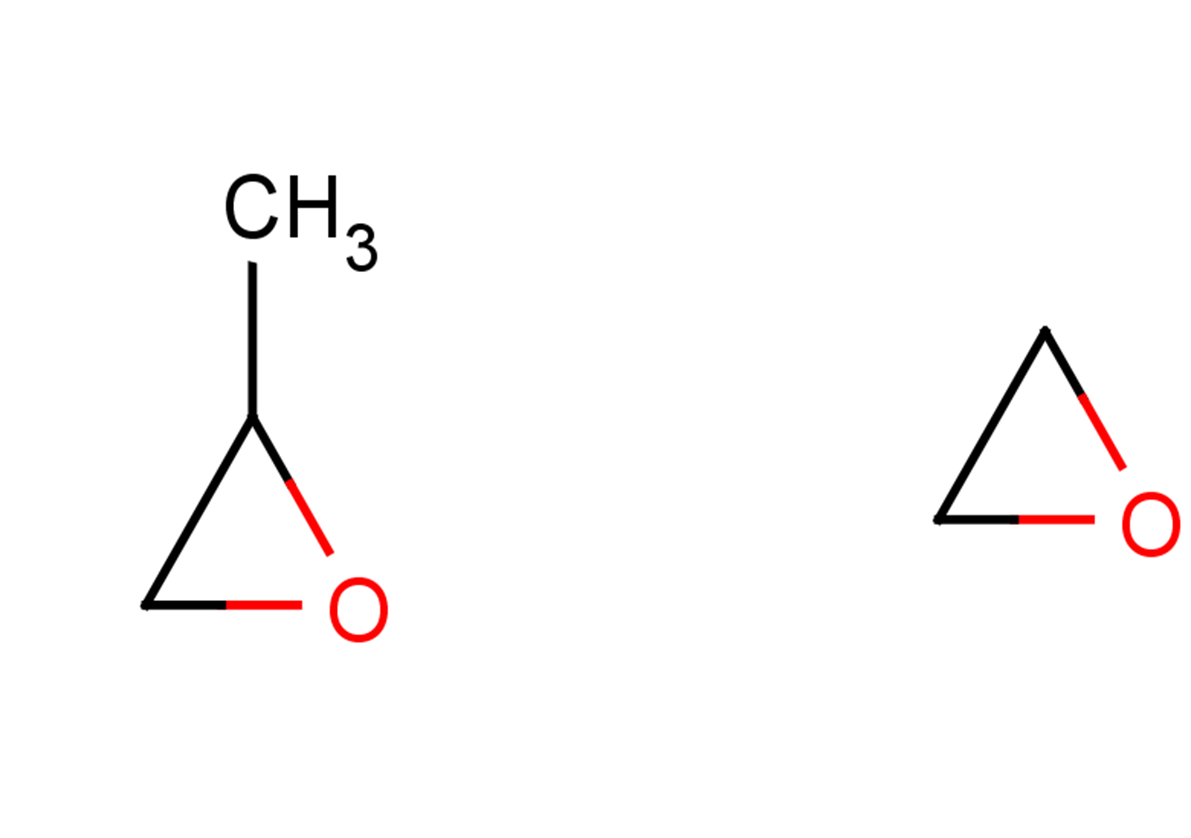
Poloxamer 407
CAS No. 9003-11-6
Poloxamer 407( —— )
Catalog No. M24927 CAS No. 9003-11-6
Poloxamer 407 is a nonionic surfactant.
Purity : >98% (HPLC)
 COA
Datasheet
HNMR
HPLC
MSDS
Handing Instructions
COA
Datasheet
HNMR
HPLC
MSDS
Handing Instructions
| Size | Price / USD | Stock | Quantity |
| 100MG | Get Quote | In Stock |


|
| 200MG | Get Quote | In Stock |
|
| 500MG | 41 | In Stock |
|
| 1G | Get Quote | In Stock |
|
Biological Information
-
Product NamePoloxamer 407
-
NoteResearch use only, not for human use.
-
Brief DescriptionPoloxamer 407 is a nonionic surfactant.
-
DescriptionPoloxamer 407 is a nonionic surfactant.
-
In VitroGuidelines (Following is our recommended protocol. This protocol only provides a guideline, and should be modified according to your specific needs). 1. Dissolve 1 g of Poloxamer 407 in 10 mL distilled water to make a 10% (w/v) stock solution, or 2 g of Poloxamer 407 in 10 mL DMSO to make a 20% (w/v) stock solution. These may require heating from 40 to 50°C for about 30 minutes. Store solution at room temperature. Do not refrigerate or freeze the Poloxamer 407 solution since it may precipitate. If precipitation is observed, the precipitates can be dissolved by heating to 37°C and vortexing before use. 2. Dilute the 10% or 20% Poloxamer 407 stock solution into the cell-loading buffer such as Hanks and 20 mM Hepes buffer (HHBS) at 1:1000 to 1:500 dilution to achieve a 0.02 to 0.04% working solution. 3. The DMSO stock solution of AM ester is then diluted into the 0.02 to 0.04% working solution to achieve a final AM ester concentration between 1 μM and 10 μM. The final concentration of Poloxamer 407 is normally kept at or below 0.08%. 4. The cells are incubated at a desired temperature for between 10 minutes and 1 hour. In general it is desirable to use the minimum amount of AM ester needed to achieve adequate fluorescence signal to noise levels. 5. After labeling, the cells are washed with HHBS or fresh medium before starting the experiment.
-
In VivoPoloxamer 407 (0.25 g/kg; i.p.; every other day for 7 weeks) induces hypertriglyceridemia but decreases atherosclerosis in Ldlr-/- mice. Animal Model:Ldlr?/? miceDosage:0.25 g/kg Administration:Intraperitoneal injection, every other day for 7 weeks Result:Mice tended to have a lower body weight and had smaller epididymal fat pads compared to the saline controls, and had reduced atherosclerosis.
-
Synonyms——
-
PathwayOthers
-
TargetOther Targets
-
RecptorOthers
-
Research Area——
-
Indication——
Chemical Information
-
CAS Number9003-11-6
-
Formula Weight102.13
-
Molecular FormulaC5H10O2
-
Purity>98% (HPLC)
-
SolubilityH2O:100 mg/mL (Need ultrasonic)
-
SMILESCC1OC1.C1OC1
-
Chemical Name——
Shipping & Storage Information
-
Storage(-20℃)
-
ShippingWith Ice Pack
-
Stability≥ 2 years
Reference
1.Antunes FE, et al. Gels of Pluronic F127 and nonionic surfactants from rheological characterization to controlled drug permeation. Colloids Surf B Biointerfaces. 2011 Oct 1;87(1):42-8.
molnova catalog



related products
-
Gap19 TFA
Gap19 TFA is a peptide derived from nine amino acids of Cx43 cytoplasmic ring (CL), an effective, selective connexin 43 (Cx43) half-channel blocker.
-
Salifungin
Detail unknown.
-
Angiotensin II (4-8)...
Angiotensin II (4-8), human
