


 Cart
Cart
 sales@molnova.com



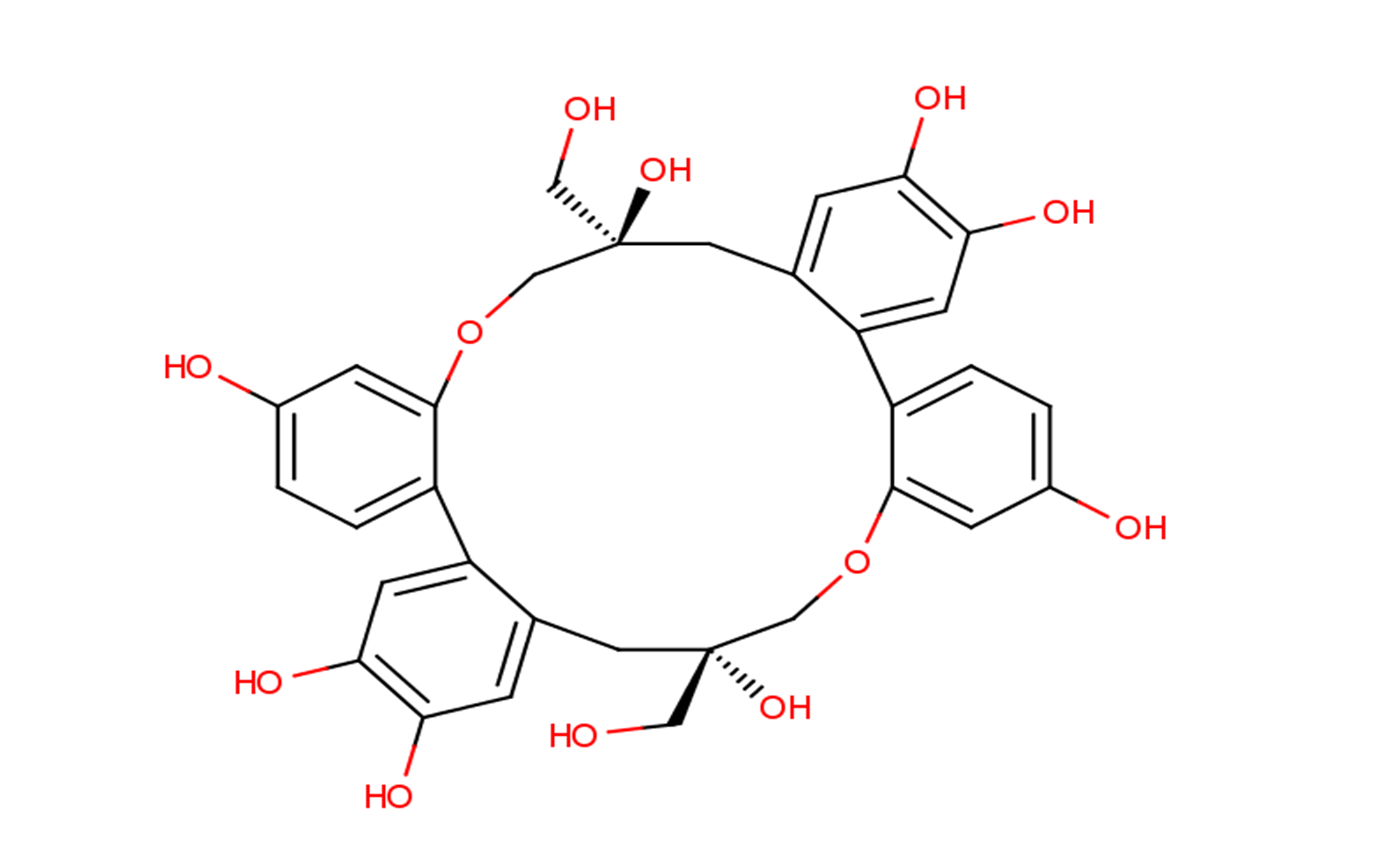
Caesappanin C
CAS No. 1913319-59-1
Caesappanin C( —— )
Catalog No. M23869 CAS No. 1913319-59-1
Caesappanin C, extracted from the heartwood of Indonesian Caesalpinia sappan L., shows strong proliferation stimulating activity against the primary osteoblastic cells in vitro.
Purity : >98% (HPLC)
 COA
Datasheet
HNMR
HPLC
MSDS
Handing Instructions
COA
Datasheet
HNMR
HPLC
MSDS
Handing Instructions
| Size | Price / USD | Stock | Quantity |
| 1 mL x 10 mM in DMSO | 3610 | In Stock |


|
| 5MG | 304 | In Stock |
|
| 10MG | 451 | In Stock |
|
| 25MG | 740 | In Stock |
|
| 100MG | Get Quote | In Stock |
|
| 200MG | Get Quote | In Stock |
|
| 500MG | Get Quote | In Stock |
|
| 1G | Get Quote | In Stock |
|
Biological Information
-
Product NameCaesappanin C
-
NoteResearch use only, not for human use.
-
Brief DescriptionCaesappanin C, extracted from the heartwood of Indonesian Caesalpinia sappan L., shows strong proliferation stimulating activity against the primary osteoblastic cells in vitro.
-
DescriptionCaesappanin C, extracted from the heartwood of Indonesian Caesalpinia sappan L., shows strong proliferation stimulating activity against the primary osteoblastic cells in vitro.
-
In Vitro——
-
In Vivo——
-
Synonyms——
-
PathwayOthers
-
TargetOther Targets
-
RecptorOthers
-
Research Area——
-
Indication——
Chemical Information
-
CAS Number1913319-59-1
-
Formula Weight608.59
-
Molecular FormulaC32H32O12
-
Purity>98% (HPLC)
-
Solubility——
-
SMILESOC1=C(O)C=C2C(C3=CC=C(O)C=C3OC[C@](O)(CC4=CC(O)=C(O)C=C4C5=CC=C(O)C=C5OC[C@@](CO)(O)C2)CO)=C1
-
Chemical Name——
Shipping & Storage Information
-
Storage(-20℃)
-
ShippingWith Ice Pack
-
Stability≥ 2 years
Reference
1.Subehan, et al. Phytochemical investigation of the active constituents from
molnova catalog



related products
-
Antho-Rfamide
Antho-RFamide is a neuropeptide isolated from the sea anemone (Anthopleura elegantissima). Antho-RFamide contains a specific carboxyl-terminal sequence, Arg-Phe-NH2, that plays an important role in neural signaling. Antho-RFamide can be used to study the function of neuropeptides in the nervous system of the simplest animals.
-
3,3',4',5,6,7,8-hept...
3,3',4',5,6,7,8-Heptamethoxyflavone(HMF) has neuroprotective, chemopreventive, anti-allergic, anti-inflammatory, immunomodulatory, anti-aging and photoprotective effects.
-
euphol
Euphol an alcohol tetracyclic triterpene has a wide range of pharmacological properties and is considered to have anti-inflammatory action.
