


 Cart
Cart
 sales@molnova.com



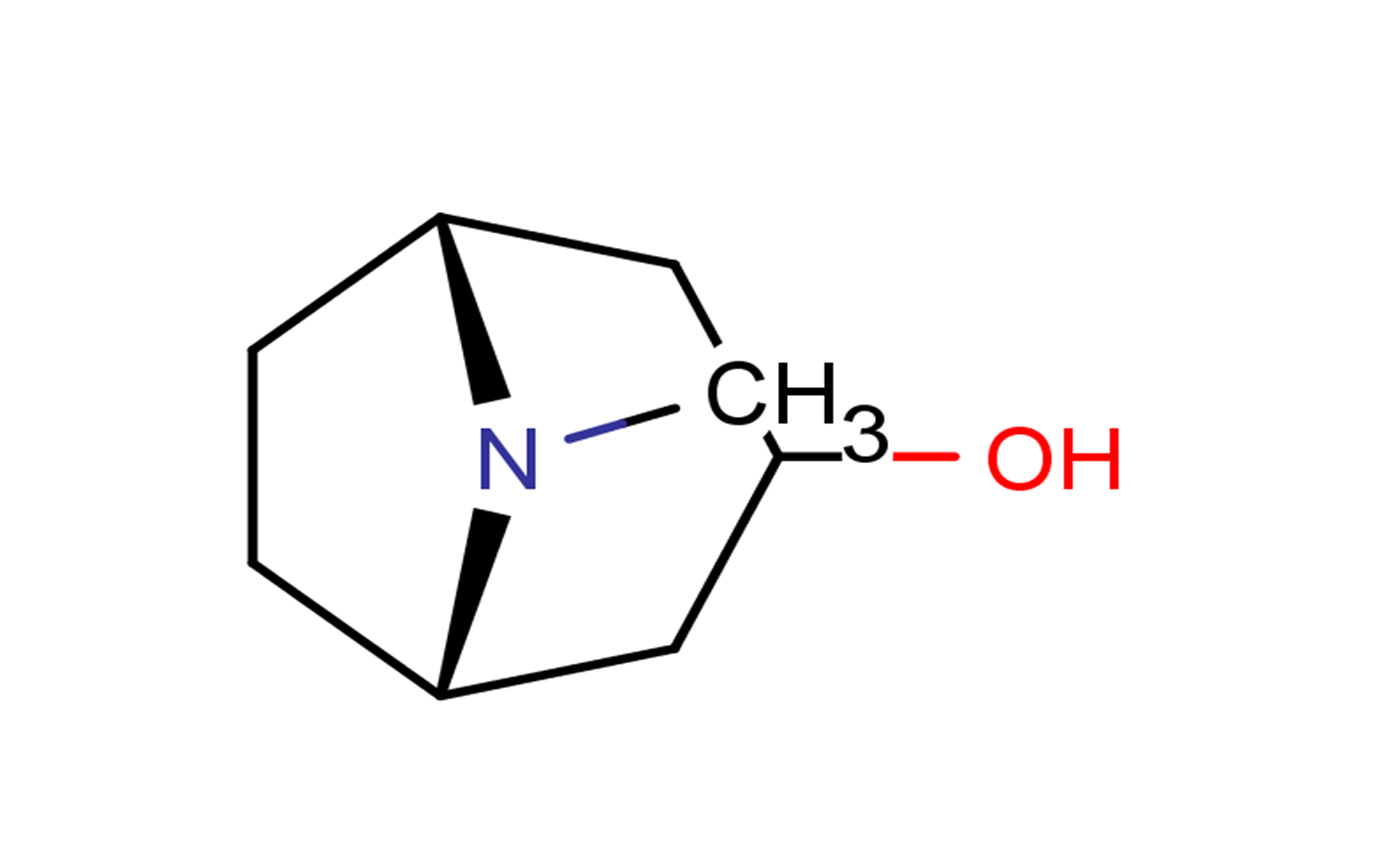
Pseudotropine
CAS No. 135-97-7
Pseudotropine( —— )
Catalog No. M23516 CAS No. 135-97-7
Pseudotropine can cause hepatic necrosis and gastritis with ulceration or erosions.
Purity : >98% (HPLC)
 COA
Datasheet
HNMR
HPLC
MSDS
Handing Instructions
COA
Datasheet
HNMR
HPLC
MSDS
Handing Instructions
| Size | Price / USD | Stock | Quantity |
| 1 mL x 10 mM in DMSO | 28 | In Stock |


|
| 100MG | Get Quote | In Stock |
|
| 200MG | 28 | In Stock |
|
| 500MG | Get Quote | In Stock |
|
| 1G | Get Quote | In Stock |
|
Biological Information
-
Product NamePseudotropine
-
NoteResearch use only, not for human use.
-
Brief DescriptionPseudotropine can cause hepatic necrosis and gastritis with ulceration or erosions.
-
DescriptionPseudotropine can cause hepatic necrosis and gastritis with ulceration or erosions.
-
In Vitro——
-
In Vivo——
-
Synonyms——
-
PathwayOthers
-
TargetOther Targets
-
RecptorOthers
-
Research Area——
-
Indication——
Chemical Information
-
CAS Number135-97-7
-
Formula Weight141.21
-
Molecular FormulaC8H15NO
-
Purity>98% (HPLC)
-
SolubilityDMSO:10 mM
-
SMILESCN1[C@@H]2CC[C@H]1CC(C2)O
-
Chemical Name——
Shipping & Storage Information
-
Storage(-20℃)
-
ShippingWith Ice Pack
-
Stability≥ 2 years
Reference
molnova catalog



related products
-
Licochalcone E
Licochalcone E is a potential LXRβ agonist.
-
1H-1,2,4-Triazole-3-...
It has been granted the patent to have property to Inhibit protein isoprenyl transferases.
-
Sotetsuflavone
Sotetsuflavone is a potent inhibitor of DENV-NS5 RdRp (Dengue virus NS5 RNA-dependent RNA polymerase) with an IC50 of 0.16 μM, is the most active compound of this series.
