


 Cart
Cart
 sales@molnova.com



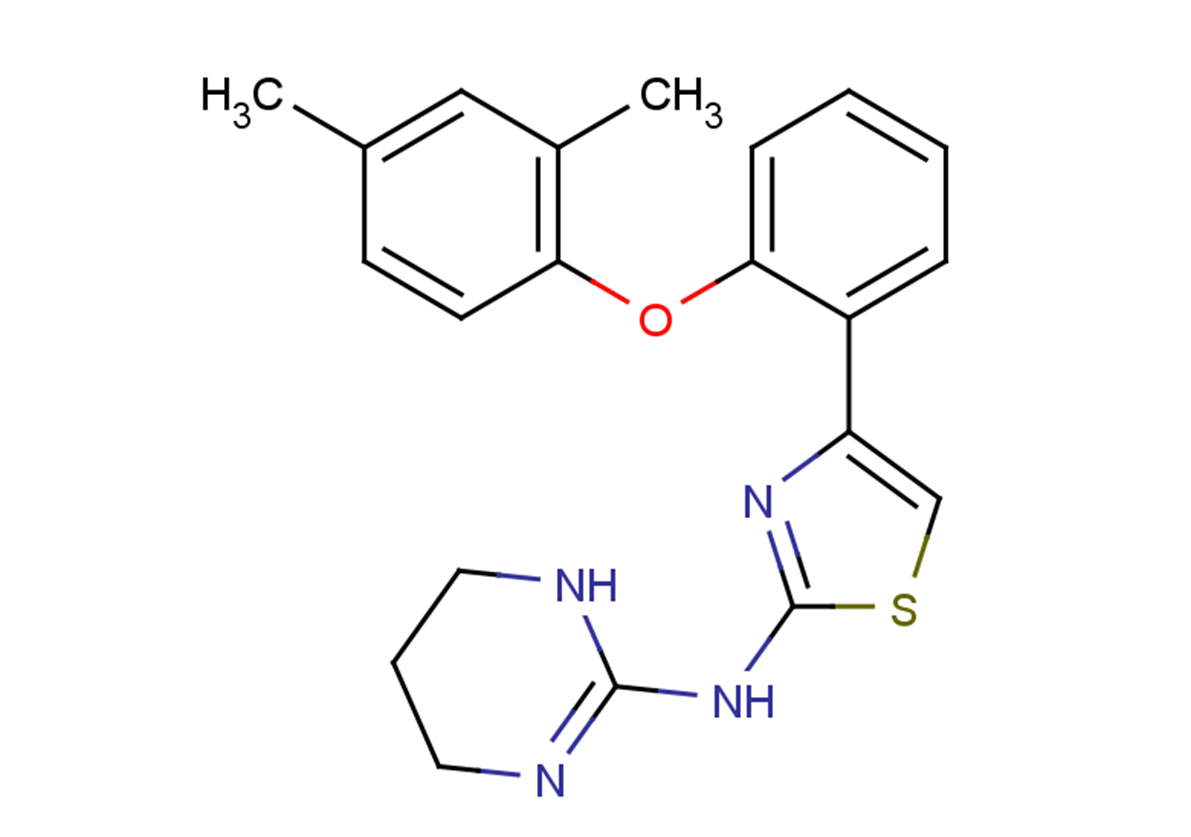
Abafungin
CAS No. 129639-79-8
Abafungin( Bay w 6341 | UNII-11DI31LWXF )
Catalog No. M23454 CAS No. 129639-79-8
Abafungin is an antifungal agent with a broad-spectrum.
Purity : >98% (HPLC)
 COA
Datasheet
HNMR
HPLC
MSDS
Handing Instructions
COA
Datasheet
HNMR
HPLC
MSDS
Handing Instructions
| Size | Price / USD | Stock | Quantity |
| 5MG | 36 | In Stock |


|
| 10MG | 62 | In Stock |
|
| 25MG | 105 | In Stock |
|
| 50MG | 152 | In Stock |
|
| 100MG | 221 | In Stock |
|
| 200MG | 328 | In Stock |
|
| 500MG | Get Quote | In Stock |
|
| 1G | Get Quote | In Stock |
|
Biological Information
-
Product NameAbafungin
-
NoteResearch use only, not for human use.
-
Brief DescriptionAbafungin is an antifungal agent with a broad-spectrum.
-
DescriptionAbafungin is an antifungal agent with a broad-spectrum.
-
In Vitro——
-
In Vivo——
-
SynonymsBay w 6341 | UNII-11DI31LWXF
-
PathwayOthers
-
TargetOther Targets
-
RecptorOthers
-
Research Area——
-
Indication——
Chemical Information
-
CAS Number129639-79-8
-
Formula Weight378.49
-
Molecular FormulaC21H22N4OS
-
Purity>98% (HPLC)
-
SolubilityDMSO:Soluble; Water:Insoluble
-
SMILESCC1=CC(=C(C=C1)OC2=CC=CC=C2C3=CSC(=N3)NC4=NCCCN4)C
-
Chemical Name——
Shipping & Storage Information
-
Storage(-20℃)
-
ShippingWith Ice Pack
-
Stability≥ 2 years
Reference
1.Rouf A, Tanyeli C. Bioactive thiazole and benzothiazole derivatives. Eur J Med Chem. 2015 Jun 5;97:911-27. doi: 10.1016/j.ejmech.2014.10.058. Epub 2014 Oct 22. Review. PubMed PMID: 25455640.
molnova catalog



related products
-
CNX-1351
CNX-1351 is a potent and isoform-selective targeted covalent PI3Kα inhibitor.
-
WAY-239196
WAY-239196 regulates the plant growth regulatory activity of plants and inhibits the root growth of oilseed rape seedlings.
-
CAY10781
CAY10781 is an inhibitor of the protein-protein interaction between neuropilin-1 (NRP-1) and VEGF-A.1It inhibits the interaction by 43% when used at a concentration of 12.5 μM. CAY10781 also inhibits VEGF-A-induced phosphorylation of VEGFR2 in catecholamine A-differentiated (CAD) cells when used at the same concentration.
