


 Cart
Cart
 sales@molnova.com



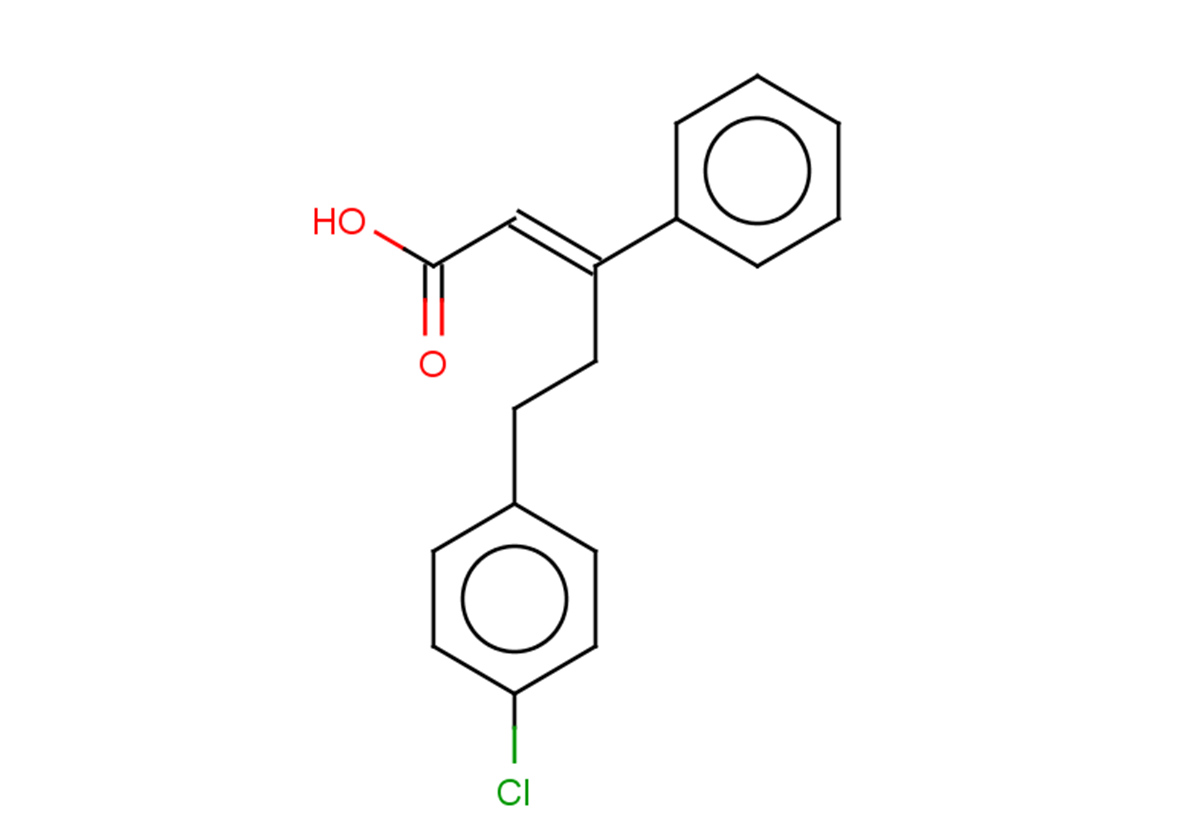
PS-47
CAS No. 1180676-33-8
PS-47( PS 47 | PS47 )
Catalog No. M23348 CAS No. 1180676-33-8
PS-47 is an inactive E-isomer of PS48. PS48 is an activator of PDK1.
Purity : >98% (HPLC)
 COA
Datasheet
HNMR
HPLC
MSDS
Handing Instructions
COA
Datasheet
HNMR
HPLC
MSDS
Handing Instructions
| Size | Price / USD | Stock | Quantity |
| 1 mL x 10 mM in DMSO | 39 | In Stock |


|
| 10MG | 39 | In Stock |
|
| 25MG | 84 | In Stock |
|
| 50MG | 128 | In Stock |
|
| 100MG | 211 | In Stock |
|
| 200MG | 299 | In Stock |
|
| 500MG | Get Quote | In Stock |
|
| 1G | Get Quote | In Stock |
|
Biological Information
-
Product NamePS-47
-
NoteResearch use only, not for human use.
-
Brief DescriptionPS-47 is an inactive E-isomer of PS48. PS48 is an activator of PDK1.
-
DescriptionPS-47 is an inactive E-isomer of PS48. PS48 is an activator of PDK1.
-
In VitroPS47 shows very low binding affinity or no binding to PDK1 (Kd>200 μM).
-
In Vivo——
-
SynonymsPS 47 | PS47
-
PathwayOthers
-
TargetOther Targets
-
RecptorOthers
-
Research Area——
-
Indication——
Chemical Information
-
CAS Number1180676-33-8
-
Formula Weight286.75
-
Molecular FormulaC17H15ClO2
-
Purity>98% (HPLC)
-
SolubilityDMSO:90mg/ml(313.86mM; need ultrasonic)
-
SMILESOC(/C=C(\CCc(cc1)ccc1Cl)/c1ccccc1)=O
-
Chemical Name——
Shipping & Storage Information
-
Storage(-20℃)
-
ShippingWith Ice Pack
-
Stability≥ 2 years
Reference
1.Hindie V , Stroba A , Zhang H , et al. Structure and allosteric effects of low-molecular-weight activators on the protein kinase PDK1.[J]. Nature Chemical Biology, 2009, 5(10):758.
molnova catalog



related products
-
1-Phenylethyl beta-D...
The herbs of Pyrola calliantha H. Andres.
-
Compound E511-2814
Compound E511-2814 is a useful organic compound for research related to life sciences.
-
1-Formyl-β-carboline
1-Formyl-β-carboline is an alkaloid derived from the leaves of Ailanthus altissima.
