


 Cart
Cart
 sales@molnova.com



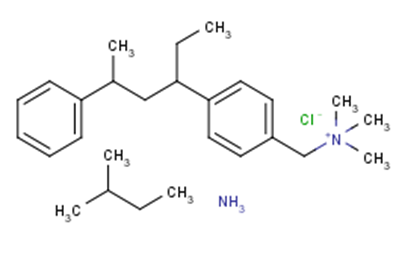
Cholestyramine
CAS No. 11041-12-6
Cholestyramine( Colestyramine | Cholestyramine resin )
Catalog No. M23306 CAS No. 11041-12-6
Cholestyramine, a bile acid-binding resin, inhibits intestinal bile acid absorption which results in the increasing bile acid synthesis from cholesterol.
Purity : >98% (HPLC)
 COA
Datasheet
HNMR
HPLC
MSDS
Handing Instructions
COA
Datasheet
HNMR
HPLC
MSDS
Handing Instructions
| Size | Price / USD | Stock | Quantity |
| 100MG | Get Quote | In Stock |


|
| 200MG | Get Quote | In Stock |
|
| 500MG | 37 | In Stock |
|
| 1G | 52 | In Stock |
|
Biological Information
-
Product NameCholestyramine
-
NoteResearch use only, not for human use.
-
Brief DescriptionCholestyramine, a bile acid-binding resin, inhibits intestinal bile acid absorption which results in the increasing bile acid synthesis from cholesterol.
-
DescriptionCholestyramine, a bile acid-binding resin, inhibits intestinal bile acid absorption which results in the increasing bile acid synthesis from cholesterol.
-
In VitroCholestyramine (0.1-50 μg/mL) produced the most dramatic results after a 24-hour exposure; an efflux rate of 65% compared with control cells. Cholestyramine is an anion-exchange resin and is insoluble in water. alcohol, chloro-form, and ether. For the assay, cholestyramine is initially wetted with a small amount of DMSO further diluting with media. A blank sample prepared with dimethylsulfoxide DMSO without cholestyramine displayed no differences from the control samples.
-
In VivoCholestyramine is a bile acid binding resin and can inhibit intestinal bile acid absorption which results in the increasing bile acid synthesis from cholesterol. Results reveal that GSPE treatment alone, and co-administration with Cholestyramine, regulate BA, cholesterol and TG metabolism differently compare to Cholestyramine administration alone. Notably, GSPE decreases intestinal apical sodium-dependent bile acid transporter (Asbt) gene expression, while Cholestyramine significantly induces expression. Administration with GSPE or Cholestyramine robustly induces hepatic BA biosynthetic gene expression, especially cholesterol 7α-hydroxylase (Cyp7a1), compare to control, while co-administration further enhances expression. Treatment with Cholestyramine induces both intestinal and hepatic cholesterologenic gene expression, while co-administration with GSPE attenuates the Cholestyramine-inducing increase in the liver but not in the intestine. Cholestyramine also induces hepatic lipogenic gene expression, which is attenuated by co-administration with GSPE.
-
SynonymsColestyramine | Cholestyramine resin
-
PathwayOthers
-
TargetOther Targets
-
RecptorOthers
-
Research Area——
-
Indication——
Chemical Information
-
CAS Number11041-12-6
-
Formula Weight——
-
Molecular Formula——
-
Purity>98% (HPLC)
-
SolubilityDMSO: < 1 mg/mL (insoluble or slightly soluble);H2O: < 0.1 mg/mL (insoluble)
-
SMILES——
-
Chemical Name——
Shipping & Storage Information
-
Storage(-20℃)
-
ShippingWith Ice Pack
-
Stability≥ 2 years
Reference
1.Maugeais C, et al. rHDL administration increases reverse cholesterol transport in mice, but is not additive on top of ezetimibe or cholestyramine treatment. Atherosclerosis. 2013 Jul;229(1):94-101.
molnova catalog



related products
-
CinnamtanninD2
Cinnamtannin D2 (compound 13) is a cinnamon tannin isolated from Vaccinium vitis-idaea L.
-
Leu-Enkephalin, amid...
Leu-Enkephalin, amide
-
TK-NH2
acetone-[bis-(2-amino-ethyl)-dithioacetal].
