


 Cart
Cart
 sales@molnova.com



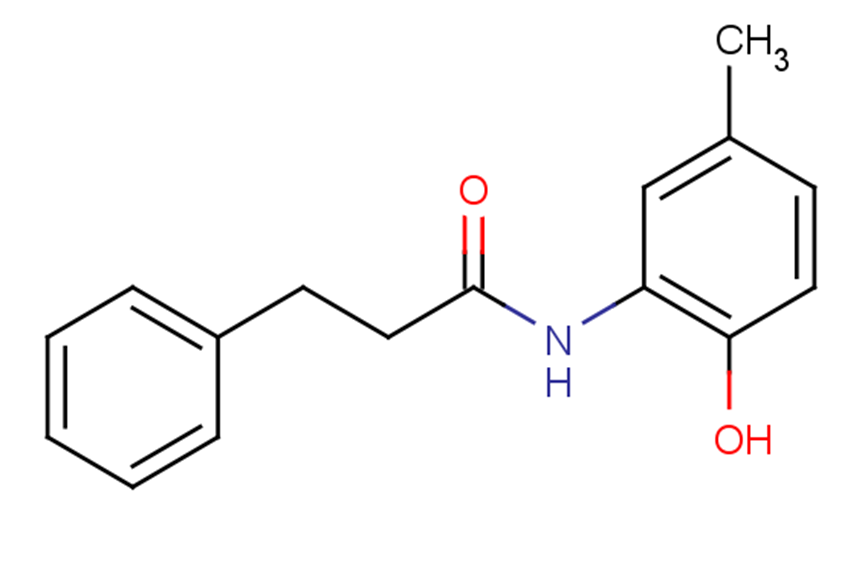
AA147
CAS No. 393121-74-9
AA147( ATF6-activator-147 )
Catalog No. M22642 CAS No. 393121-74-9
AA147 is a small molecule endoplasmic reticulum (ER) proteostasis regulator. The selectively activates ATF6 arm of the unfolded protein response (UPR) .
Purity : >98% (HPLC)
 COA
Datasheet
HNMR
HPLC
MSDS
Handing Instructions
COA
Datasheet
HNMR
HPLC
MSDS
Handing Instructions
| Size | Price / USD | Stock | Quantity |
| 1 mL x 10 mM in DMSO | 60 | In Stock |


|
| 5MG | 54 | In Stock |
|
| 10MG | 92 | In Stock |
|
| 25MG | 179 | In Stock |
|
| 50MG | 259 | In Stock |
|
| 100MG | 387 | In Stock |
|
| 200MG | Get Quote | In Stock |
|
| 500MG | 876 | In Stock |
|
| 1G | Get Quote | In Stock |
|
Biological Information
-
Product NameAA147
-
NoteResearch use only, not for human use.
-
Brief DescriptionAA147 is a small molecule endoplasmic reticulum (ER) proteostasis regulator. The selectively activates ATF6 arm of the unfolded protein response (UPR) .
-
DescriptionAA147 is a small molecule endoplasmic reticulum (ER) proteostasis regulator. The selectively activates ATF6 arm of the unfolded protein response (UPR) .It acts as a prodrug that preferentially triggers ATF6 signaling through a mechanism involving localized metabolic activation and selective covalent modification of ER resident proteins that regulate ATF6 activity.
-
In VitroCell Viability Assay Cell Line:HT22 cells Concentration:0.078, 0.156, 0.312, 0.625, 1.25, 2.5, 5, 10, 20 μMIncubation Time:6 or 16 h (pre-incubation)Result:Showed dose-dependent increases in the viability of glutamate-treated HT22 cells when pretreated with AA147 for 6 or 16 h prior to the glutamate challenge (addition concurrently with the glutamate challenge did not improve the viability of glutamate-treated cells).Reduced ROS accumulation in cells when pre-incubation of 16 h.Cell Viability Assay Cell Line:HT22 cells Concentration:10 μM Incubation Time:16 h Result:Significant increased the expression of genes associated with antioxidant activity in neuronal models, including prolactins and glutathione transferases.Activated NRF2 through a mechanism involving metabolic activation and covalent KEAP1 protein modification.Cell Viability Assay Cell Line:BPAEC Concentration:5, 10 μM Incubation Time:135 h Result:Decreased permeability of cells by activation of ATF6.Western Blot Analysis Cell Line:BPAEC Concentration:5, 10, 15 μM Incubation Time:4, 8, 16, 24, 48 h Result: Significantly induced ATF6 activation and upregulated cofilin phosphorylation (in a concentration-dependent manner).Western Blot Analysis Cell Line:BPAEC Concentration:10 μM Incubation Time:24 h Result: Reduced LPS-induced cATF6 suppression (Fig.5A) and VE-cadherin phosphorylation.
-
In Vivo——
-
SynonymsATF6-activator-147
-
PathwayOthers
-
TargetOther Targets
-
RecptorATF6
-
Research Area——
-
Indication——
Chemical Information
-
CAS Number393121-74-9
-
Formula Weight255.31
-
Molecular FormulaC16H17NO2
-
Purity>98% (HPLC)
-
SolubilityIn Vitro:?DMSO : 50 mg/mL (195.84 mM)
-
SMILESCc1ccc(O)c(NC(=O)CCc2ccccc2)c1
-
Chemical Name——
Shipping & Storage Information
-
Storage(-20℃)
-
ShippingWith Ice Pack
-
Stability≥ 2 years
Reference
1. Christina COOLEY, et al. Regulators of the endoplasmic reticulum proteostasis network. WO2017117430A1.
molnova catalog



related products
-
2-Aminopurine-9-beta...
2-Aminopurine-9-beta-D-(2’-deoxy)riboside, a derivative of 2-Aminopurine, is a modified nucleoside composed of a purine base linked to a (2’-deoxy)ribose sugar moiety.
-
12-Distearoyl-sn-gly...
12-Distearoyl-sn-glycero-3-phosphorylethanolamine is a phosphatidylethanolamine (PE or GPEtn). The stearic acid moieties are derived from animal fats coco butter and sesame oil. Phospholipids are ubiquitous in nature and are key components of the lipid bilayer of cells as well as being involved in metabolism and signaling.
-
Tortoside A
Tortoside A inhibit NFAT transcription factor.
