


 Cart
 sales@molnova.com




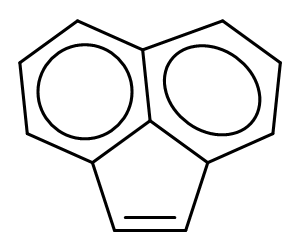
Acenaphthylene
CAS No. 208-96-8
Acenaphthylene( —— )
Catalog No. M21231 CAS No. 208-96-8
Acenaphthylene is environmental polycyclic aromatic hydrocarbon (PAH)pollutants.
Purity : >98% (HPLC)
 COA
Datasheet
HNMR
HPLC
MSDS
Handing Instructions
| Size | Price / USD | Stock | Quantity |
| 1 mL x 10 mM in DMSO | 29 | In Stock |


|
| 100MG | Get Quote | In Stock |
|
| 200MG | 28 | In Stock |
|
| 500MG | 45 | In Stock |
|
| 1G | 63 | In Stock |
|
Biological Information
-
Product NameAcenaphthylene
-
NoteResearch use only, not for human use.
-
Brief DescriptionAcenaphthylene is environmental polycyclic aromatic hydrocarbon (PAH)pollutants.
-
DescriptionAcenaphthylene is environmental polycyclic aromatic hydrocarbon (PAH)pollutants.
-
In Vitro——
-
In Vivo——
-
Synonyms——
-
PathwayOthers
-
TargetOther Targets
-
RecptorOthers
-
Research Area——
-
Indication——
Chemical Information
-
CAS Number208-96-8
-
Formula Weight152.19
-
Molecular FormulaC12H8
-
Purity>98% (HPLC)
-
SolubilityIn Vitro:?DMSO : ≥ 250 mg/mL (1642.58 m)
-
SMILESC1=Cc2cccc3cccc1c23
-
Chemical Name——
Shipping & Storage Information
-
Storage(-20℃)
-
ShippingWith Ice Pack
-
Stability≥ 2 years
Reference
1.Oxidation of Acenaphthene and Acenaphthylene by Human Cytochrome P450 Enzymes[J]. Chemical Research in Toxicology 2015 28(2):150202110910002.
molnova catalog


related products
-
Kaurenoic acid
Kaurenoic acid has anti-inflammatory potential in acetic acid-induced colitis, decreases in MDA level.
-
D-Proline
D-proline is an isomer of the naturally occurring amino acid L-Proline. D-amino acids have been found in relatively high abundance in human plasma and saliva. These amino acids may be of bacterial origin but there is also evidence that they are endogenously produced through amino acid racemase activity.
-
Isoflupredone
Isoflupredone (Isoflupredonum) is a synthetic corticosteroid that acts in vivo by binding to glucocorticoid and corticosteroid receptors in animals (such as horses) to inhibit inflammatory cells and inhibit the expression of inflammatory mediators.
