


 Cart
Cart
 sales@molnova.com



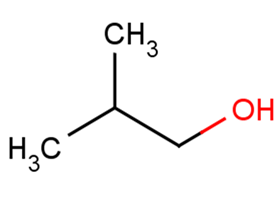
2-Methyl-1-propanol
CAS No. 78-83-1
2-Methyl-1-propanol( —— )
Catalog No. M20289 CAS No. 78-83-1
Isobutanol is an aliphatic alcohol is widely used in industry as a solvent in chemical reactions as well as being a useful starting material for organic synthesis.
Purity : >98% (HPLC)
 COA
Datasheet
HNMR
HPLC
MSDS
Handing Instructions
COA
Datasheet
HNMR
HPLC
MSDS
Handing Instructions
| Size | Price / USD | Stock | Quantity |
| 100MG | Get Quote | Get Quote |


|
| 200MG | Get Quote | Get Quote |
|
| 500MG | Get Quote | Get Quote |
|
| 1G | Get Quote | Get Quote |
|
Biological Information
-
Product Name2-Methyl-1-propanol
-
NoteResearch use only, not for human use.
-
Brief DescriptionIsobutanol is an aliphatic alcohol is widely used in industry as a solvent in chemical reactions as well as being a useful starting material for organic synthesis.
-
DescriptionIsobutanol is an aliphatic alcohol is widely used in industry as a solvent in chemical reactions as well as being a useful starting material for organic synthesis.
-
In Vitro——
-
In Vivo——
-
Synonyms——
-
PathwayOthers
-
TargetOther Targets
-
RecptorOthers
-
Research Area——
-
Indication——
Chemical Information
-
CAS Number78-83-1
-
Formula Weight74.12
-
Molecular FormulaC4H10O
-
Purity>98% (HPLC)
-
Solubility——
-
SMILESCC(C)CO
-
Chemical Name——
Shipping & Storage Information
-
Storage(-20℃)
-
ShippingWith Ice Pack
-
Stability≥ 2 years
Reference
molnova catalog



related products
-
Dimethyl sulfoxide
A highly polar organic liquid, that is used widely as a chemical solvent.
-
KU-2285
KU-2285 shows anti-tumor, anti-metastatic and anti-colony forming effects on mouse melanoma B16.KU-2285 can be used to study pancreatic cancer.
-
Fomesafen
Fomesafen is a diphenyl ether herbicide and an inhibitor of efficient and selective protoporphyrinogen IX oxidase (PPO).
