


 Cart
 sales@molnova.com




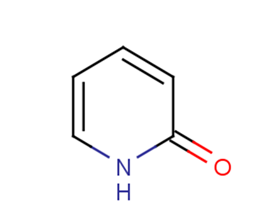
2-Hydroxypyridine
CAS No. 142-08-5
2-Hydroxypyridine( —— )
Catalog No. M19561 CAS No. 142-08-5
2-Hydroxypyridine is the catalyst for generating β-oxopropyl carbonates from cyclic carbonates and alcohols and in the aminolysis of a polyglutamate.
Purity : >98% (HPLC)
 COA
Datasheet
HNMR
HPLC
MSDS
Handing Instructions
| Size | Price / USD | Stock | Quantity |
| 1 mL x 10 mM in DMSO | 28 | In Stock |


|
| 100MG | Get Quote | In Stock |
|
| 200MG | Get Quote | In Stock |
|
| 500MG | Get Quote | In Stock |
|
| 1G | 27 | In Stock |
|
Biological Information
-
Product Name2-Hydroxypyridine
-
NoteResearch use only, not for human use.
-
Brief Description2-Hydroxypyridine is the catalyst for generating β-oxopropyl carbonates from cyclic carbonates and alcohols and in the aminolysis of a polyglutamate.
-
Description2-Hydroxypyridine is the catalyst for generating β-oxopropyl carbonates from cyclic carbonates and alcohols and in the aminolysis of a polyglutamate.
-
In Vitro——
-
In Vivo——
-
Synonyms——
-
PathwayOthers
-
TargetOther Targets
-
RecptorOthers
-
Research Area——
-
Indication——
Chemical Information
-
CAS Number142-08-5
-
Formula Weight95.1
-
Molecular FormulaC5H5NO
-
Purity>98% (HPLC)
-
SolubilityDMSO:10 mM
-
SMILESO=c1cccc[nH]1
-
Chemical Name——
Shipping & Storage Information
-
Storage(-20℃)
-
ShippingWith Ice Pack
-
Stability≥ 2 years
Reference
1.Zhu M et L. Efficient synthesis of biazoles by aerobic oxidative homocoupling of azoles catalyzed by a copper(I)/2-pyridonate catalytic system. Chem Commun (Camb). 2011 Dec 28;47(48):12876-8.
molnova catalog


related products
-
PALATINOSE
PALATINOSE is a natural occurring disaccharide composed of alpha-1,6-linked glucose and fructose, synergetic inhibitory effect on lung metastasis of LA795 xenograft tumor.
-
Acifluorfen
Acifluorfen, a protoporphyrinogen oxidase (PROTOX) inhibitor herbicide, promotes the accumulation of protoporphyrin IX (PPIX), and induces tumors in the rodent liver. Acifluorfen causes strong photooxidative destruction of pigments and lipids in sensitive plant species.
-
Gluconasturtiin
The herbs of Nasturtium officinale.
