


 Cart
Cart
 sales@molnova.com



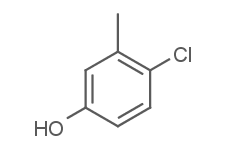
Aptal
CAS No. 59-50-7
Aptal( 4-Chloro-m-cresol | PCMC | 4-Chloro-3-methylphenol | Chlorocresol )
Catalog No. M19507 CAS No. 59-50-7
Chlorocresol is an activator of ryanodine receptor.
Purity : >98% (HPLC)
 COA
Datasheet
HNMR
HPLC
MSDS
Handing Instructions
COA
Datasheet
HNMR
HPLC
MSDS
Handing Instructions
| Size | Price / USD | Stock | Quantity |
| 100MG | Get Quote | Get Quote |


|
| 200MG | Get Quote | Get Quote |
|
| 500MG | Get Quote | Get Quote |
|
| 1G | Get Quote | Get Quote |
|
Biological Information
-
Product NameAptal
-
NoteResearch use only, not for human use.
-
Brief DescriptionChlorocresol is an activator of ryanodine receptor.
-
DescriptionChlorocresol is an activator of ryanodine receptor.
-
In Vitro——
-
In Vivo——
-
Synonyms4-Chloro-m-cresol | PCMC | 4-Chloro-3-methylphenol | Chlorocresol
-
PathwayOthers
-
TargetOther Targets
-
RecptorRyanodine receptor
-
Research Area——
-
Indication——
Chemical Information
-
CAS Number59-50-7
-
Formula Weight142.58
-
Molecular FormulaC7H7ClO
-
Purity>98% (HPLC)
-
SolubilityDMSO:28 mg/mL (196.4 mM);Ethanol:28 mg/mL (196.4 mM)
-
SMILESCC1=C(Cl)C=CC(O)=C1
-
Chemical Name4-Chloro-3-methylphenol
Shipping & Storage Information
-
Storage(-20℃)
-
ShippingWith Ice Pack
-
Stability≥ 2 years
Reference



-
21-O-Benzoylgymnemag...
21-O-Benzoylgymnemagenin
-
Chitinase, Serratia ...
Chitinase, Serratia marcescens (EC 3.2.1.14) has partial lysozyme activity and is widely found in bacteria, fungi, animals and some plants. Chitinase belongs to the glycosyl hydrolase family. Chitinase catalyzes chito-oligosaccharide hydrolysis. Chitinases also can serve as prognostic biomarkers of disease progression. Chitinase can be used in the research of pathogenesis of various human fibrotic and inflammatory disorders, particularly those of the lung (idiopathic pulmonary fibrosis, chronic obstructive pulmonary disease, sarcoidosis, and asthma) and the gastrointestinal tract (inflammatory bowel diseases (IBDs) and colon cancer).
-
Safflower yellow
Safflower yellow is extracted from the flowers of the plant safflower (Carthamus tinctorius).
