


 Cart
Cart
 sales@molnova.com



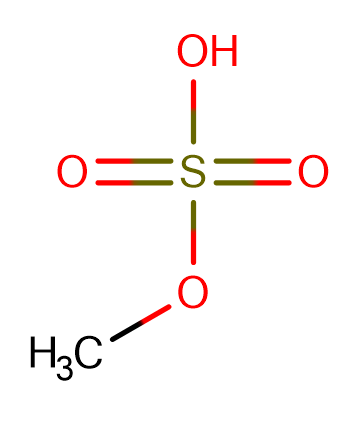
Diphemanil mesylate
CAS No. 62-97-5
Diphemanil mesylate( —— )
Catalog No. M15380 CAS No. 62-97-5
Diphemanil methylsulfate is a quaternary ammonium anticholinergic.
Purity : >98% (HPLC)
 COA
Datasheet
HNMR
HPLC
MSDS
Handing Instructions
COA
Datasheet
HNMR
HPLC
MSDS
Handing Instructions
| Size | Price / USD | Stock | Quantity |
| 1 mL x 10 mM in DMSO | 28 | In Stock |


|
| 25MG | 36 | In Stock |
|
| 50MG | 44 | In Stock |
|
| 100MG | 58 | In Stock |
|
| 200MG | 83 | In Stock |
|
| 500MG | 137 | In Stock |
|
| 1G | Get Quote | In Stock |
|
Biological Information
-
Product NameDiphemanil mesylate
-
NoteResearch use only, not for human use.
-
Brief DescriptionDiphemanil methylsulfate is a quaternary ammonium anticholinergic.
-
DescriptionDiphemanil methylsulfate is a quaternary ammonium anticholinergic. It binds muscarinic acetycholine receptors and thereby decreases secretory excretion of stomach acids as well as saliva and sweat.
-
In Vitro——
-
In Vivo——
-
Synonyms——
-
PathwayEndocrinology/Hormones
-
TargetAChR
-
RecptorAChR
-
Research AreaEndocrinology
-
Indication——
Chemical Information
-
CAS Number62-97-5
-
Formula Weight389.51
-
Molecular FormulaC20H24N·CH3O4S
-
Purity>98% (HPLC)
-
SolubilityWater: 28 mg/mL (71.88 mM); DMSO: 25 mg/mL (64.18 mM)
-
SMILESCOS(O)(=O)=O
-
Chemical Name——
Shipping & Storage Information
-
Storage(-20℃)
-
ShippingWith Ice Pack
-
Stability≥ 2 years
Reference
1.Feng G, et al. Int Immunopharmacol. 2015 Apr 15;26(2):392-400.
molnova catalog



related products
-
Cevimeline hydrochlo...
Cevimeline hydrochloride hemihydrate, a novel muscarinic receptor agonist.
-
Loxeen
Pridinol Methanesulfonate Salt is used as an anticholinergic and as an antiparkinsonian agent.
-
Dextromethorphan HBr...
Methyl analog of dextrorphan that shows high affinity binding to several regions of the brain, including the medullary cough center.
