


 Cart
Cart
 sales@molnova.com



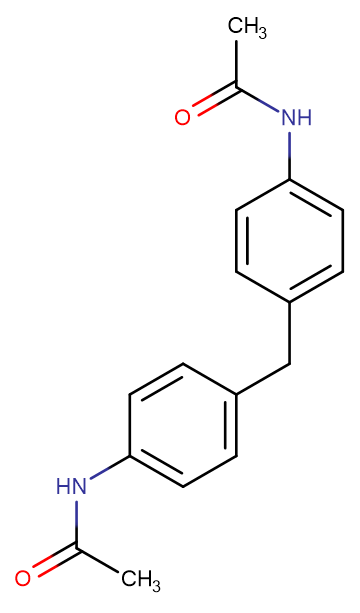
FH1
CAS No. 2719-05-3
FH1( BRD-K4477 )
Catalog No. M13831 CAS No. 2719-05-3
FH1 (BRD-K4477) is a small molecule, which promotes differentiation of iPS-derived hepatocytes.
Purity : >98% (HPLC)
 COA
Datasheet
HNMR
HPLC
MSDS
Handing Instructions
COA
Datasheet
HNMR
HPLC
MSDS
Handing Instructions
| Size | Price / USD | Stock | Quantity |
| 1 mL x 10 mM in DMSO | 29 | In Stock |


|
| 10MG | 38 | In Stock |
|
| 25MG | 74 | In Stock |
|
| 50MG | 133 | In Stock |
|
| 100MG | 237 | In Stock |
|
| 200MG | 308 | In Stock |
|
| 500MG | Get Quote | In Stock |
|
| 1G | Get Quote | In Stock |
|
Biological Information
-
Product NameFH1
-
NoteResearch use only, not for human use.
-
Brief DescriptionFH1 (BRD-K4477) is a small molecule, which promotes differentiation of iPS-derived hepatocytes.
-
DescriptionFH1 (BRD-K4477) is a small molecule, which promotes differentiation of iPS-derived hepatocytes.
-
In VitroFH1 (NSC 12407, 5 μg/mL, 0-40 days) enhances hepatic maturation and maintain the hepatic differentiation state of hiPSC-HLCs. RT-PCRCell Line:hiPSC-HLCs in the differentiated hepatic state.Concentration:5 μg/mL.Incubation Time:0-40 days.Result:Kept more than 50% hiPSC-HLCs to produce the four factors till day 40.Can help hiPSC-HLCs to maintain a relatively mature hepatic differentiation state for about 40 days.Maintained a higher level of hALB in the supernatant than that in controls.Maintained relatively high mRNA levels of hNTCP, hRXR, hHNF4α, and hALB for over functional small molecule FH1 can help hiPSC-HLCs to maintain a relatively mature hepatic differentiation state for about 40 days.
-
In Vivo——
-
SynonymsBRD-K4477
-
PathwayOthers
-
TargetOther Targets
-
RecptoriPS-derived hepatocytes
-
Research AreaOther Indications
-
Indication——
Chemical Information
-
CAS Number2719-05-3
-
Formula Weight282.34
-
Molecular FormulaC17H18N2O2
-
Purity>98% (HPLC)
-
SolubilityDMSO: 56 mg/mL (198.34 mM)
-
SMILESCC(=O)NC1=CC=C(CC2=CC=C(NC(C)=O)C=C2)C=C1
-
Chemical Name——
Shipping & Storage Information
-
Storage(-20℃)
-
ShippingWith Ice Pack
-
Stability≥ 2 years
Reference
1.Shan J, et al. Nat Chem Biol. 2013, 9(8), 514-520.
molnova catalog



related products
-
Anticonvulsant agent...
5-[(1S,2S)-2-[(Cyclopropylmethyl)amino]cyclopropyl]-N-(tetrahydro-2H-pyran-4-yl)thiophene-3-carboxamide hydrochloride is a cyclopropanoid enzyme compound that acts as a lysine-specific demethylase-1 inhibitor for schizophrenia, developmental disorders, and neurodegenerative diseases.
-
5-Methoxypiperonal
Reference standards.
-
GW604714X?
GW604714X were found to be potent inhibitors of mitochondrial respiration supported by pyruvate.
