


 Cart
Cart
 sales@molnova.com



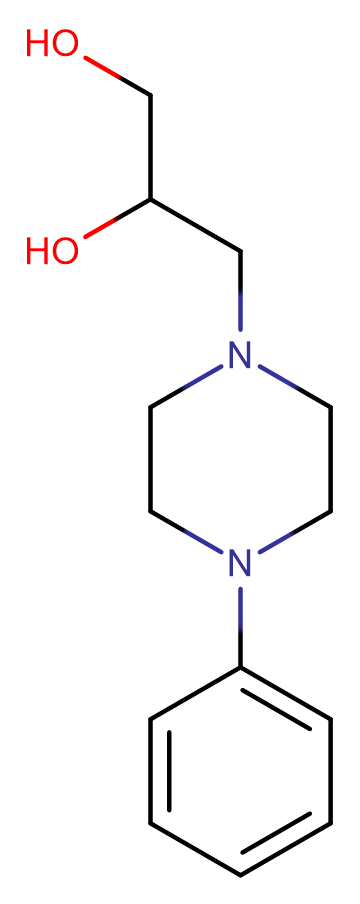
Dropropizine
CAS No. 17692-31-8
Dropropizine( Dropropizine )
Catalog No. M12662 CAS No. 17692-31-8
Dropropizine is a racemic non-opiate antitussive agent, it is used as a cough suppressant.
Purity : >98% (HPLC)
 COA
Datasheet
HNMR
HPLC
MSDS
Handing Instructions
COA
Datasheet
HNMR
HPLC
MSDS
Handing Instructions
| Size | Price / USD | Stock | Quantity |
| 1 mL x 10 mM in DMSO | 28 | In Stock |


|
| 100MG | Get Quote | In Stock |
|
| 200MG | Get Quote | In Stock |
|
| 500MG | Get Quote | In Stock |
|
| 1G | 27 | In Stock |
|
Biological Information
-
Product NameDropropizine
-
NoteResearch use only, not for human use.
-
Brief DescriptionDropropizine is a racemic non-opiate antitussive agent, it is used as a cough suppressant.
-
DescriptionDropropizine is a racemic non-opiate antitussive agent, it is used as a cough suppressant.
-
In Vitro——
-
In Vivo——
-
SynonymsDropropizine
-
PathwayOthers
-
TargetOther Targets
-
RecptorOthers
-
Research AreaInflammation/Immunology
-
Indication——
Chemical Information
-
CAS Number17692-31-8
-
Formula Weight236.31
-
Molecular FormulaC13H20N2O2
-
Purity>98% (HPLC)
-
SolubilityEthanol: 47 mg/mL (198.89 mM); Water: 11 mg/mL (46.54 mM); DMSO: 47 mg/mL (198.89 mM)
-
SMILESOCC(O)CN1CCN(C2=CC=CC=C2)CC1
-
Chemical Name3-(4-Phenylpiperazin-1-yl)propane-1,2-diol
Shipping & Storage Information
-
Storage(-20℃)
-
ShippingWith Ice Pack
-
Stability≥ 2 years
Reference
1.Slamenova D, et al. Mutat Res, 1986 Mar, 169(3), 171-177.
molnova catalog



related products
-
[D-Pro4,D-Trp7,9,10,...
[D-Pro4,D-Trp7,9,10,Val8]-Substance P (4-11)
-
MW01-2-151SRM
MW01-2-151SRM is a novel small molecule inhibitor of microglia activation that crosses the blood-brain barrier, has anti-neuroinflammatory effects, attenuates the up-regulation of glial cytokines in models of neuroinflammation, and can be used in studies of traumatic brain injury, Alzheimer's disease, and alginate toxicity.
-
m-PEG3-SH
m-PEG3-SH is a PEG-based PROTAC linker that can be used in the synthesis of PROTACs.
