


 Cart
Cart
 sales@molnova.com



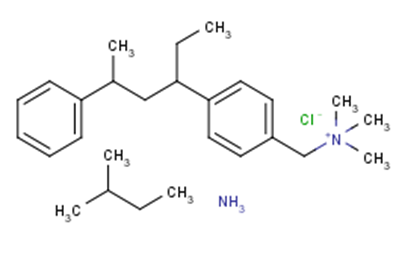
Cholestyramine
CAS No. 11041-12-6
Cholestyramine( Colestyramine | Cholestyramine resin )
Catalog No. M23306 CAS No. 11041-12-6
Cholestyramine, a bile acid-binding resin, inhibits intestinal bile acid absorption which results in the increasing bile acid synthesis from cholesterol.
Purity : >98% (HPLC)
 COA
Datasheet
HNMR
HPLC
MSDS
Handing Instructions
COA
Datasheet
HNMR
HPLC
MSDS
Handing Instructions
| Size | Price / USD | Stock | Quantity |
| 500MG | 37 | In Stock |


|
| 1G | Get Quote | In Stock |
|
Biological Information
-
Product NameCholestyramine
-
NoteResearch use only, not for human use.
-
Brief DescriptionCholestyramine, a bile acid-binding resin, inhibits intestinal bile acid absorption which results in the increasing bile acid synthesis from cholesterol.
-
DescriptionCholestyramine, a bile acid-binding resin, inhibits intestinal bile acid absorption which results in the increasing bile acid synthesis from cholesterol.
-
In VitroCholestyramine (0.1-50 μg/mL) produced the most dramatic results after a 24-hour exposure; an efflux rate of 65% compared with control cells. Cholestyramine is an anion-exchange resin and is insoluble in water. alcohol, chloro-form, and ether. For the assay, cholestyramine is initially wetted with a small amount of DMSO further diluting with media. A blank sample prepared with dimethylsulfoxide DMSO without cholestyramine displayed no differences from the control samples.
-
In VivoCholestyramine is a bile acid binding resin and can inhibit intestinal bile acid absorption which results in the increasing bile acid synthesis from cholesterol. Results reveal that GSPE treatment alone, and co-administration with Cholestyramine, regulate BA, cholesterol and TG metabolism differently compare to Cholestyramine administration alone. Notably, GSPE decreases intestinal apical sodium-dependent bile acid transporter (Asbt) gene expression, while Cholestyramine significantly induces expression. Administration with GSPE or Cholestyramine robustly induces hepatic BA biosynthetic gene expression, especially cholesterol 7α-hydroxylase (Cyp7a1), compare to control, while co-administration further enhances expression. Treatment with Cholestyramine induces both intestinal and hepatic cholesterologenic gene expression, while co-administration with GSPE attenuates the Cholestyramine-inducing increase in the liver but not in the intestine. Cholestyramine also induces hepatic lipogenic gene expression, which is attenuated by co-administration with GSPE.
-
SynonymsColestyramine | Cholestyramine resin
-
PathwayOthers
-
TargetOther Targets
-
RecptorOthers
-
Research Area——
-
Indication——
Chemical Information
-
CAS Number11041-12-6
-
Formula Weight——
-
Molecular Formula——
-
Purity>98% (HPLC)
-
SolubilityDMSO: < 1 mg/mL (insoluble or slightly soluble);H2O: < 0.1 mg/mL (insoluble)
-
SMILES——
-
Chemical Name——
Shipping & Storage Information
-
Storage(-20℃)
-
ShippingWith Ice Pack
-
Stability≥ 2 years
Reference
1.Maugeais C, et al. rHDL administration increases reverse cholesterol transport in mice, but is not additive on top of ezetimibe or cholestyramine treatment. Atherosclerosis. 2013 Jul;229(1):94-101.
molnova catalog



related products
-
MM 07
Apelin biased agonist; exhibits bias for the G protein pathway. Stimulates endothelial NOS phosphorylation and expression, promotes proliferation, and attenuates apoptosis of human pulmonary arterial endothelial cells in vitro. Shows positive inotropic and vasodilatory effects in vivo and improves cardiac structure and function in a model of pulmonary arterial hypertension.
-
GDP366
GDP366, induces cell growth inhibition, cellular senescence and mitotic catastrophe in human cancer cells. a dual inhibitor of survivin and Op18.
-
4,4-dimethyl-2,3,4,5...
4,4-dimethyl-2,3,4,5-tetrahydro-1H-1,5-benzodiazepin-2-one is a compound used as a molecular building block.
